The final months of 2025 have not gone as I hoped. On October 29th, less than an hour after publishing my Orbyss review, I fractured my shoulder bone. It was a blessedly minor injury. I was fortunate enough to have access to affordable, effective healthcare, my family to give me physical assistance, and for my job to be accommodating with the recovery process. The biggest problem it caused was an inability to type or manipulate a mouse for more than five weeks. This caused Play Critically to enter its longest period of dormancy in years. I am now mostly recovered and have returned my attention to writing reviews. Easing back into the habit of writing about a videogame five or more days a week has proven more challenging than I anticipated. It may be some time before I am back to posting weekly reviews.
Writing this annual listicle of my favorite indie videogames of the year has been a different kind of frustration. Due to my injury, I missed out on many late year releases I planned to write about, including PowerWash Simulator 2, Winter Burrow, and Marvel Cosmic Invasion. I will always regard this list as compromised to some extent because I missed over a month of new releases during the period when a year’s biggest releases typically appear.
But my biggest reservation is this: I think this listicle is obvious. I do not doubt for a second that my choices are the correct ones. I also do not think it contains many surprises. I hope that visitors to my website might read my yearly listicles and find at least a few gems or underdogs. 2025 has been a phenomenal year of independent videogame releases. This is a boon to players. For writers and critics, highlighting them is tedious. I aspire to do more than validate what you already believe or repeat what has already been heralded in the zeitgeist. These are my picks for the five must-play indies of 2025, and I bet you can already guess what three of them are.
Hollow Knight: Silksong
Developer: Team Cherry
Publisher: Team Cherry
Playable On: Nintendo Switch, Nintendo Switch 2, Sony PlayStation 4, Sony PlayStation 5, Microsoft Xbox One, Microsoft Xbox Series X/S, Mac, PC
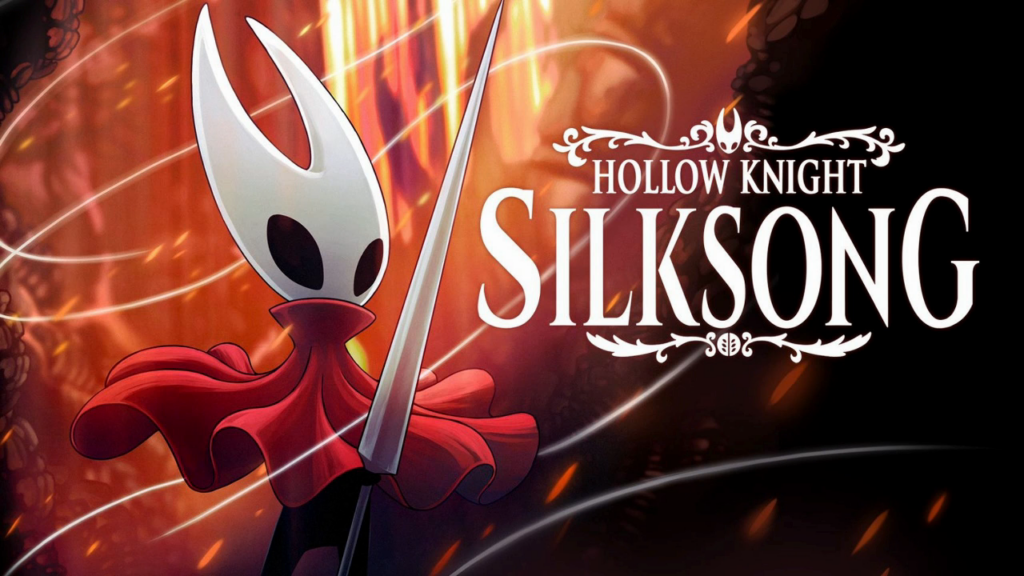
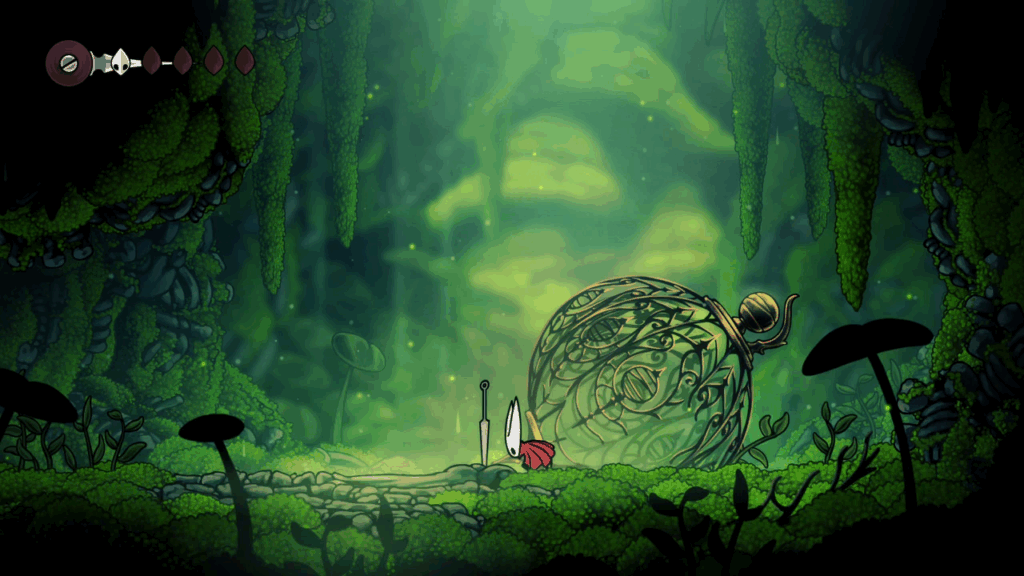
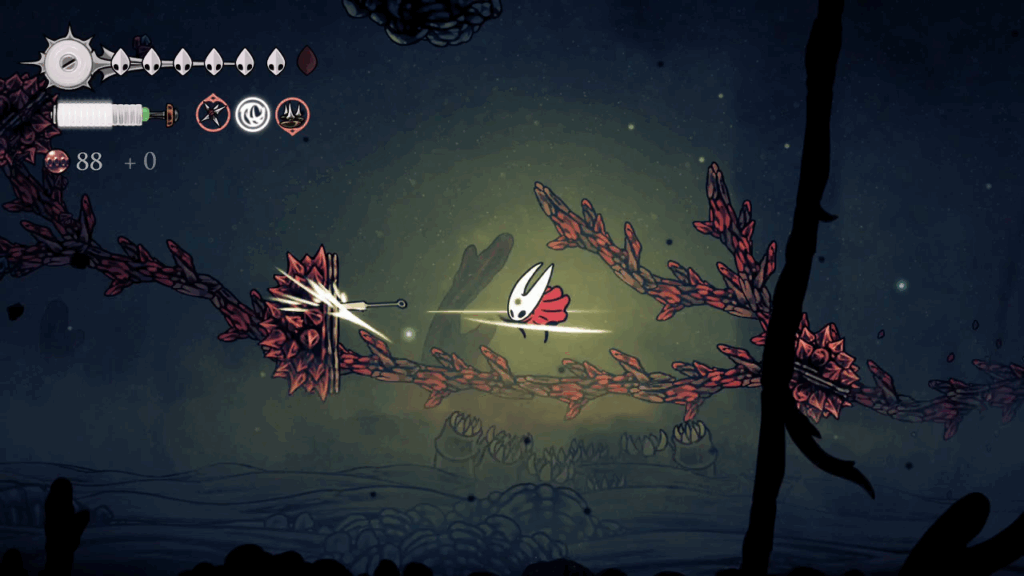
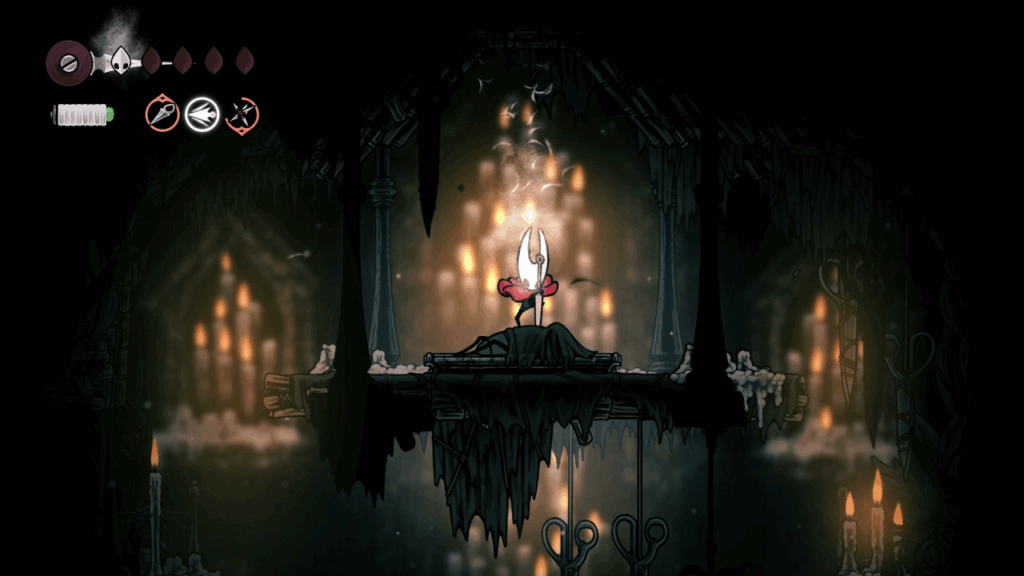
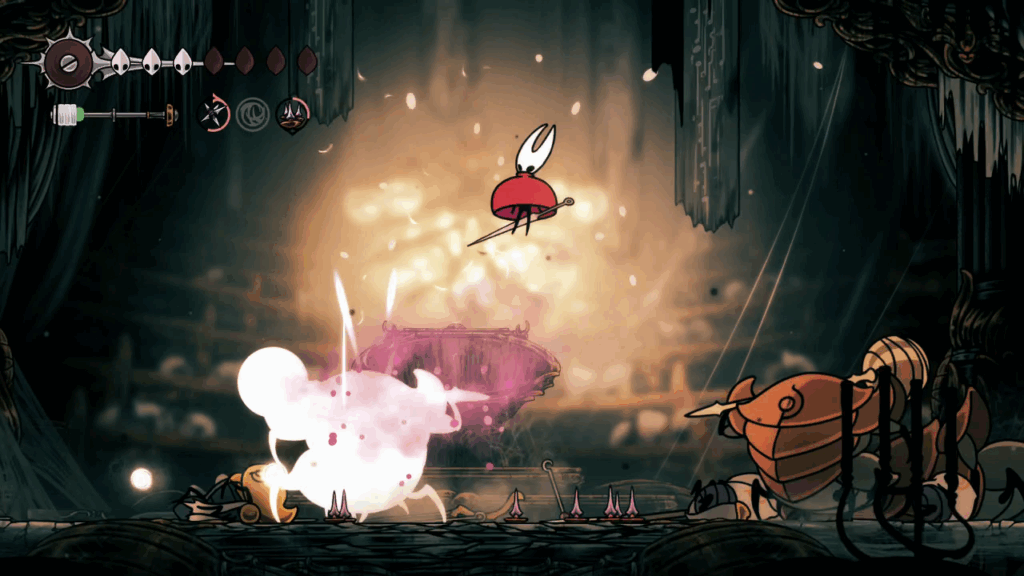
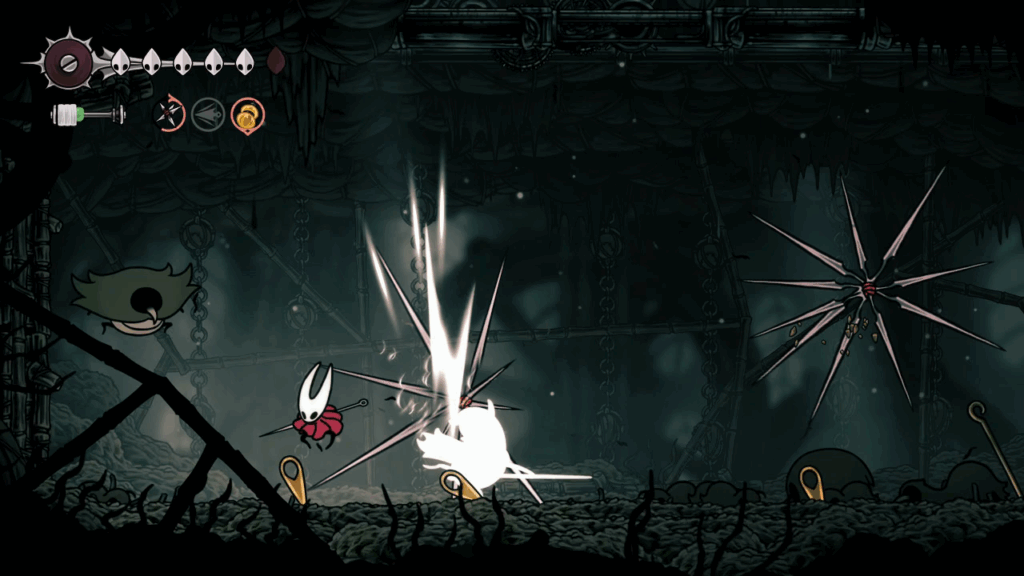
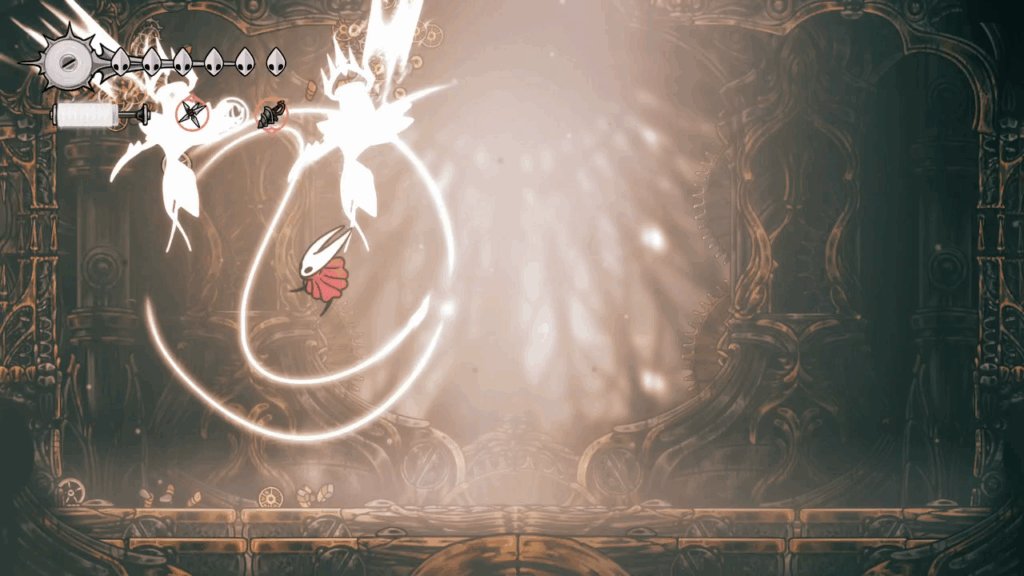
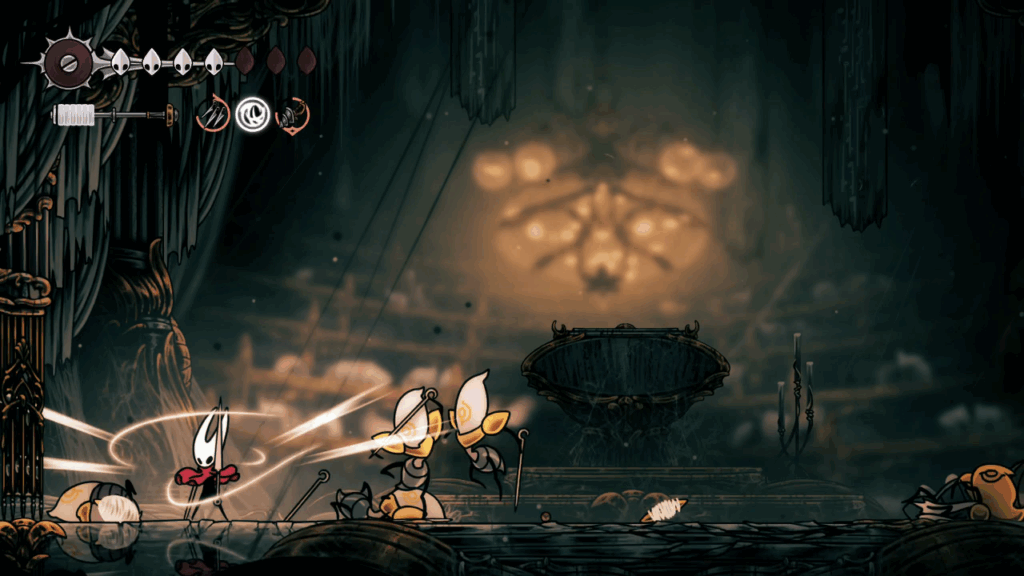
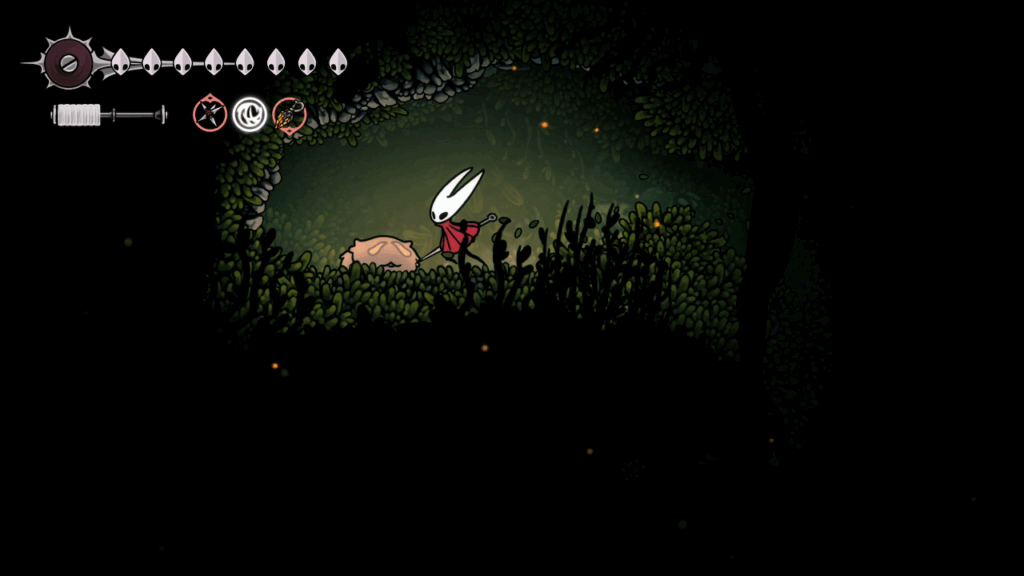
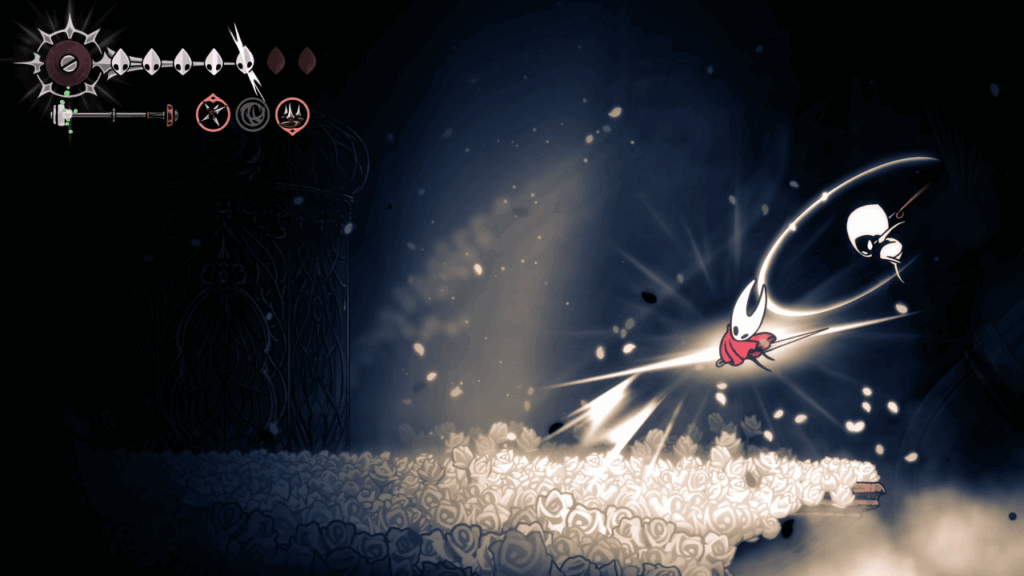
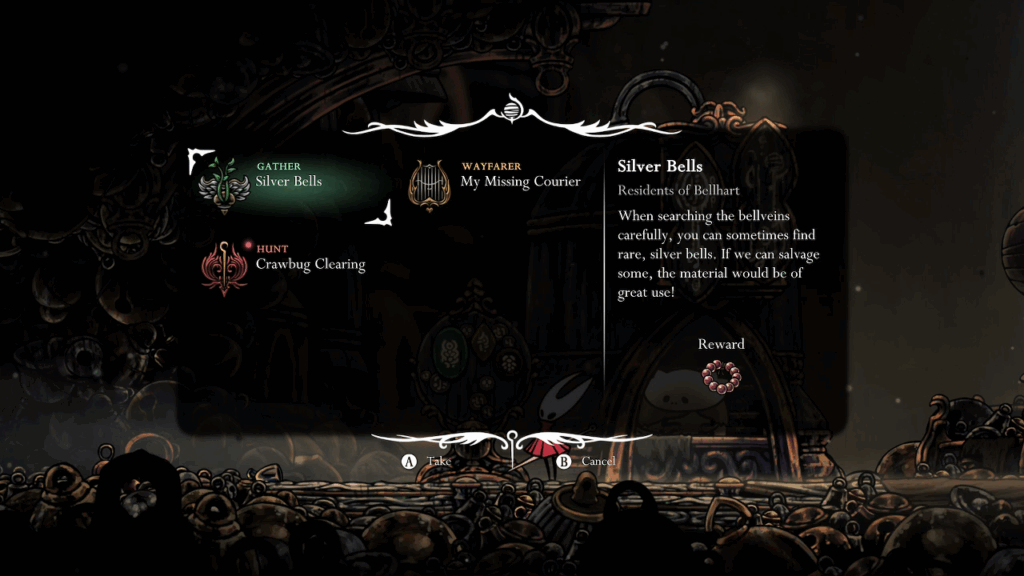
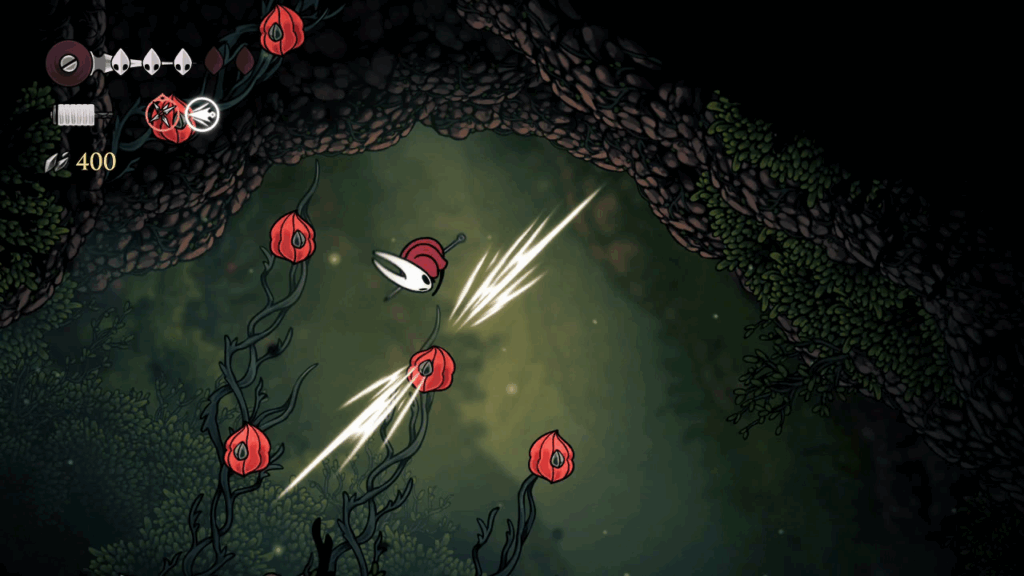
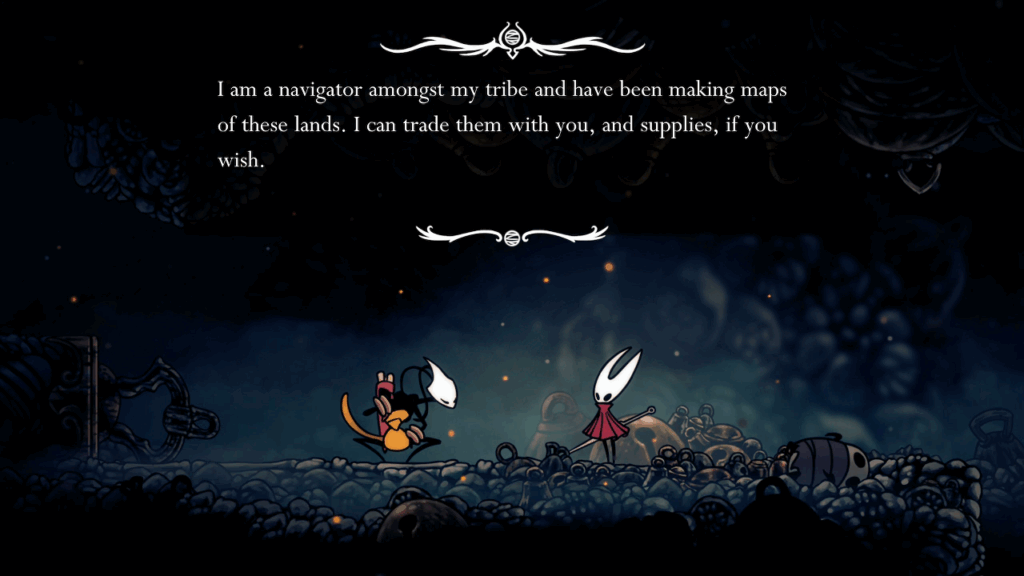
Silksong is the follow up to Hollow Knight, one of the most famous and influential releases since the 2010s indie boom. In this sequel, I take the role of Hornet, the Weaver princess who plays a prominent supporting role in the original Hollow Knight. This new story opens with Hornet imprisoned and carried in a cage to the kingdom of Pharloom. After using the last of her strength to free herself, Hornet learns that Pharloom is haunted by a mysterious force that covets her body’s natural ability to produce Silk. She is forced to stay, regaining her strength while she scours Pharloom for the creature that stalks her. Only by killing her hunter will Hornet free herself from a lifetime of endless pursuit.
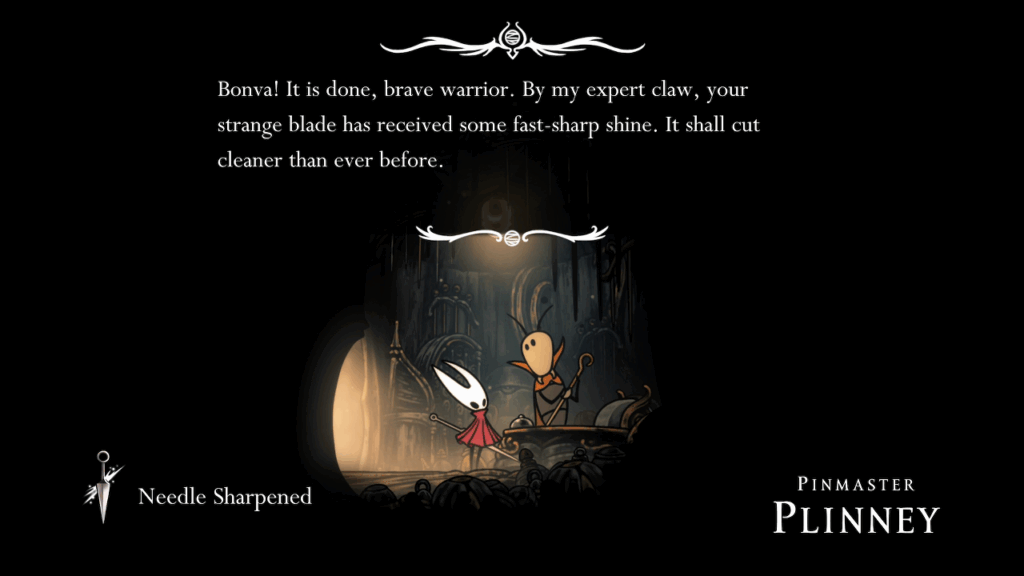
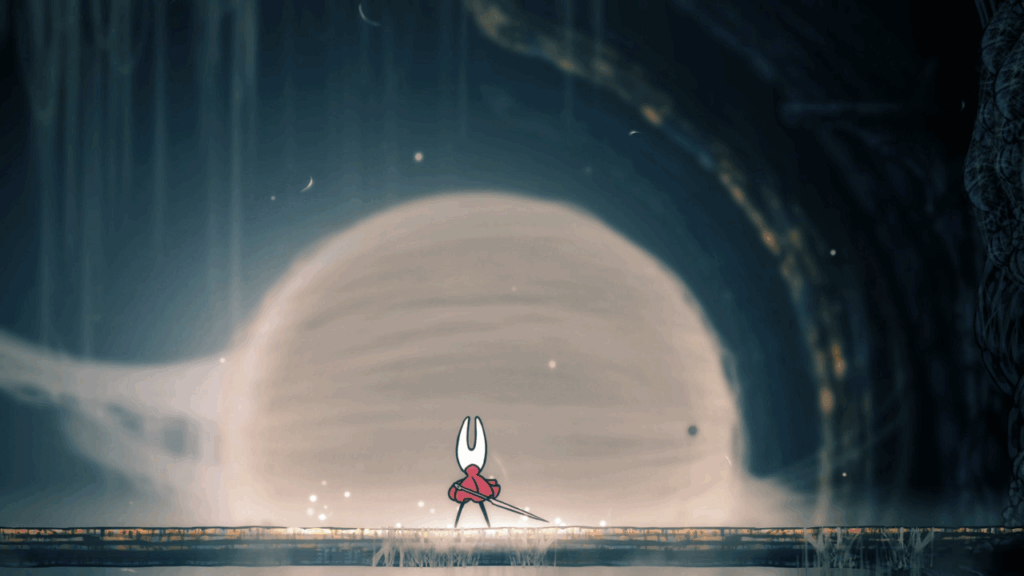
Team Cherry already demonstrated their masterful understanding of nonlinear platforming design in the original Hollow Knight. That expertise is once again on display in Silksong. It doesn’t stray too far from typical genre conventions. Hornet begins her adventure stripped of most of the abilities she displayed in her first adventure. She may swing her elegant needle to defend herself, perform impressive leaps between sidescrolling platforms, and recover from her wounds by binding them with the silk her body generates with every blow landed on an enemy. As she explores, she discovers new platforming abilities, combat skills, and status upgrades that let her explore more of Pharloom. In a very literal way, the more of the map Hornet explores, the more powerful she becomes. Silksong sets itself apart from Hollow Knight through complexity. Hornet is a more complicated player character than her predecessor, with a myriad of customization options to discover and exploit, adding intricacy and nuance to her performance. Her time spent in Pharloom is also structured much differently than the Knight’s exploits in Hallownest, creating a quest-based adventure distinct from the previous entry’s open-ended mystery.
Silksong had a tough job meeting the expectations placed upon it. Announced in the previous decade and subjected to multiple delays, the anticipation for a Silksong announcement during any press event grew to the level of a meme. Pairing this with the incredible reception to Hollow Knight, whose reputation has swelled every year since its comparatively quiet launch, and it would be understandable for Silksong to crumble under the pressure. Perhaps its most remarkable accomplishment is that, while it does not surpass its predecessor, it also does not cower in its shadow. Silksong does not disappoint, and when expectations have been raised to such lofty levels, that is not as lukewarm an evaluation as it sometimes seems.
Read my full Hollow Knight: Silksong review here.


Rift of the NecroDancer
Developer: Brace Yourself Games, Tic Toc Games
Publisher: Brace Yourself Games, Klei Publishing
Playable On: Nintendo Switch, PC
Rift of the NecroDancer is the third installment in the NecroDancer series of music-rhythm videogames. The first installment has a particularly macabre plot where series hero Cadence’s heart is stolen by the titular villain. To recover it, she must move through a series of randomly generated dungeons in time to the beat of the music that also represents the beating of her stolen heart. Sequels have embraced a more light-hearted tone, first taking Cadence to the Kingdom of Hyrule where the NecroDancer spread his curse without the accompanying heart-stealing drama, and then into Rift’s slice-of-life setting. Transported once more to a new world, Rift takes Cadence to a thriving urban center where the first videogame’s broad cast of characters have taken on new roles like yoga instructor, artist, and television host. Even the vile NecroDancer is too busy trying to survive on a fry cook’s salary to be much of a threat to Cadence and her friends.
What is more surprising than Rift of the NecroDancer’s new setting is how conventional its new design appears. Instead of bouncing between dungeon tiles in time to the music, Cadence’s musical battles now take place on the familiar note board popularized by videogames like Guitar Hero and Rock Band. I help Cadence survive each musical stage by pressing buttons on the gamepad that correspond to notes that fly down the board. The twist is that the notes are replaced by monsters that hop around the note board to the beat of the music, each following a prescribed pattern; harpies move two spaces every other beat, bats jump back and forth between rows, and hydras must have their row activated until their entire body passes off the board, in addition to many more monster varieties with unique movement patterns. Success comes from reading not where the “notes” appear, but from where they will have moved to by the time they reach the bottom of the note board. It’s furiously difficult and incredibly fun.
Rift of the NecroDancer ultimately fails to capitalize on its radically different new setting. Its plot disappoints. This matters little; like previous entries in the series, the challenging, rhythm-focused design complementing an incredible electronic soundtrack is Rift’s greatest strength, not its dubious plot. Despite its apparent imitation of the videogames that popularized the rhythm and music genre, Rift throws enough twists into the idea to feel as fresh and original as Crypt of the NecroDancer’s take on procedurally generated dungeon crawling. Rift feels like a risk, but it’s one that pays off. Brace Yourself Game remains at the peak of rhythm and music indie videogame design.
Read my full Rift of the NecroDancer review here.

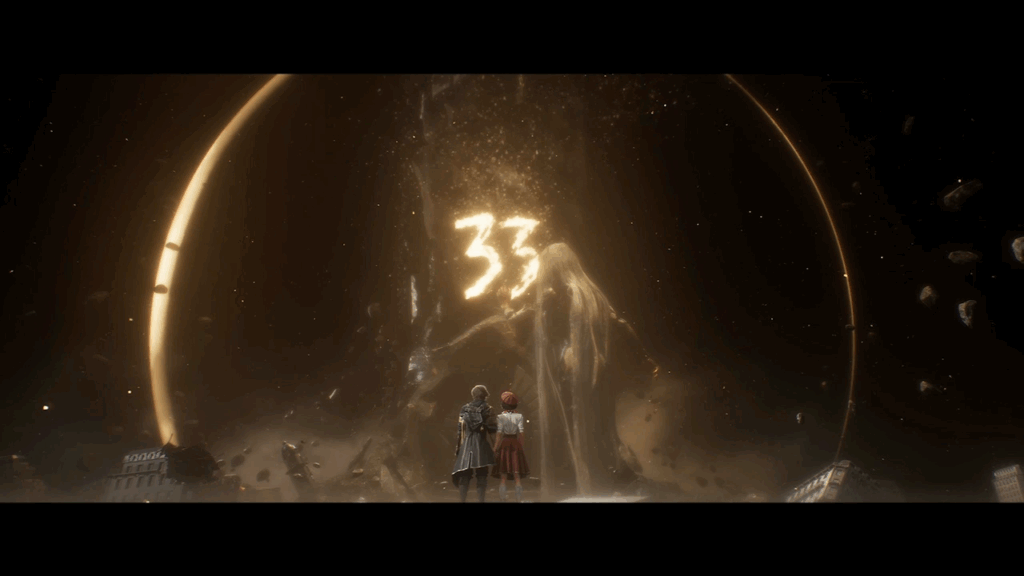
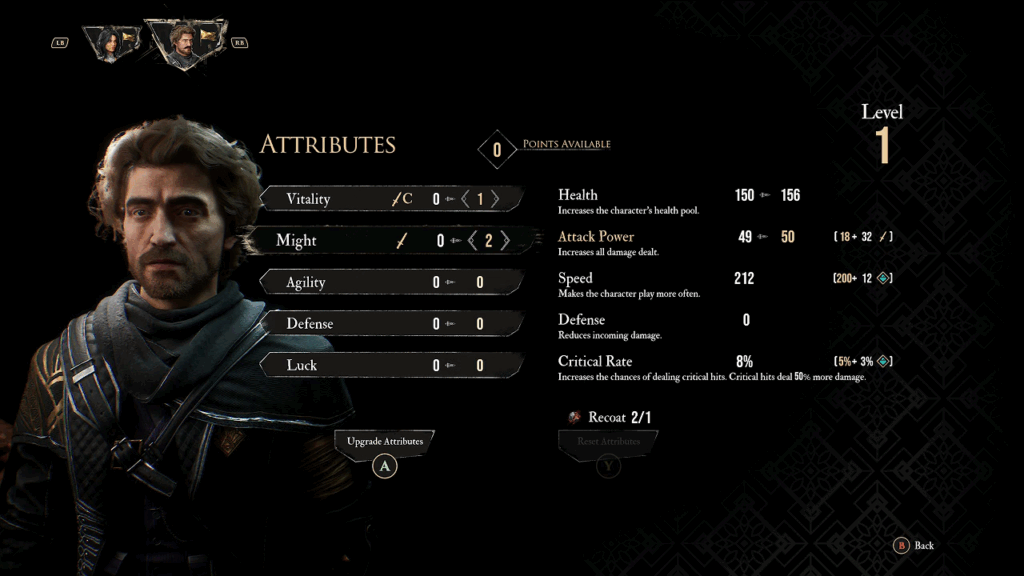
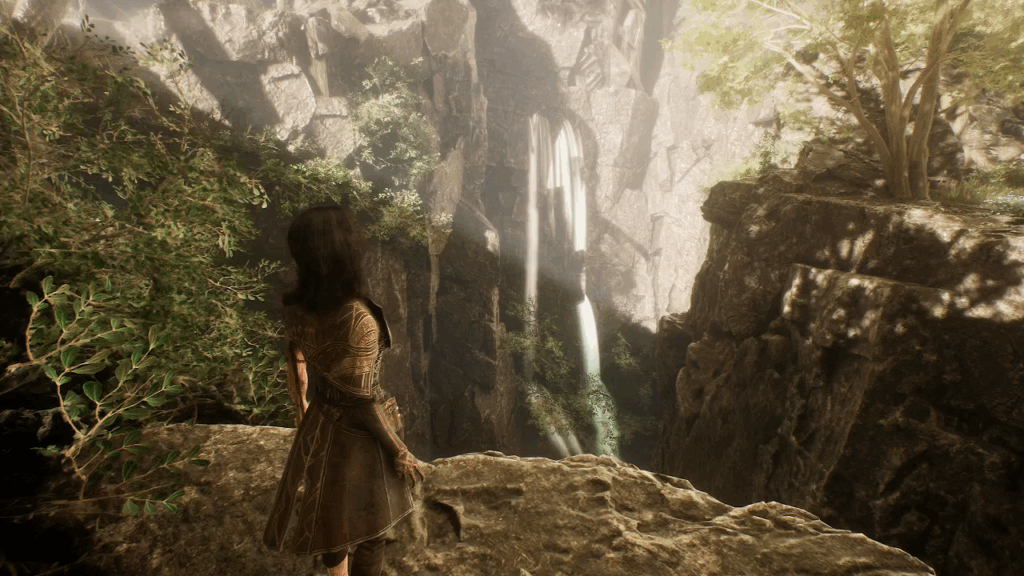
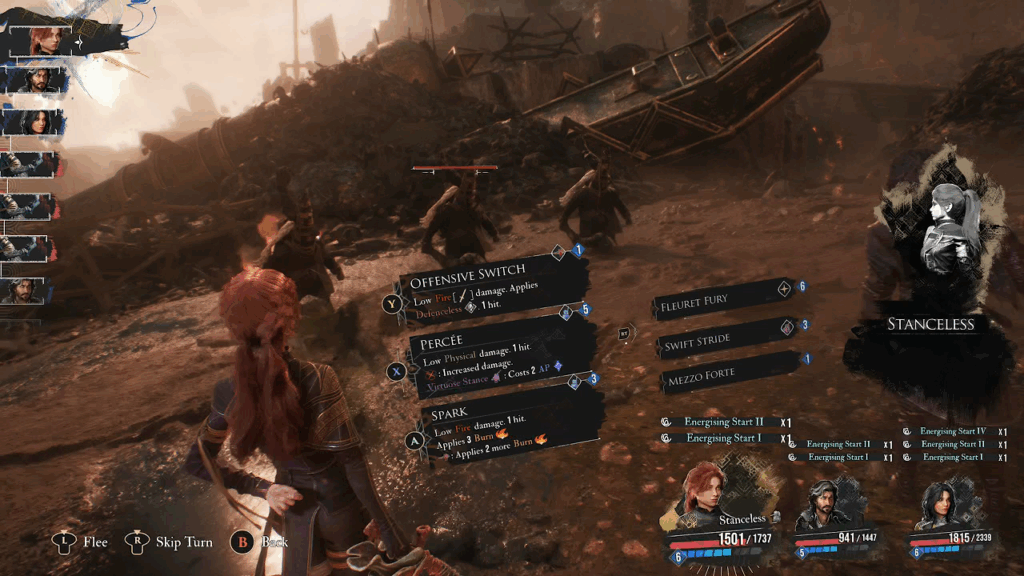
Clair Obscur: Expedition 33
Developer: Sandfall Interactive
Publisher: Kepler Interactive
Playable On: Sony PlayStation 5, Microsoft Xbox Series X/S, PC
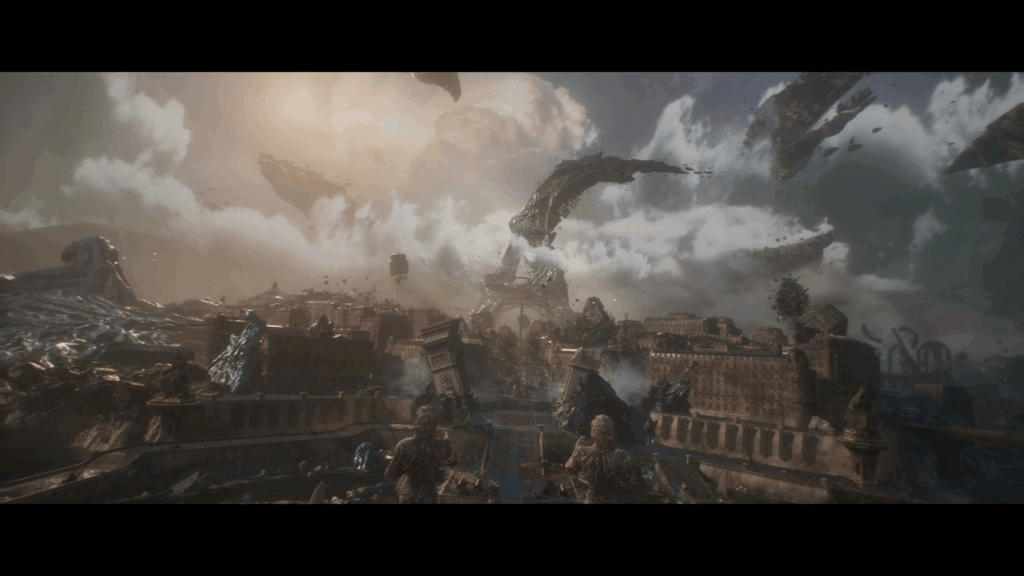
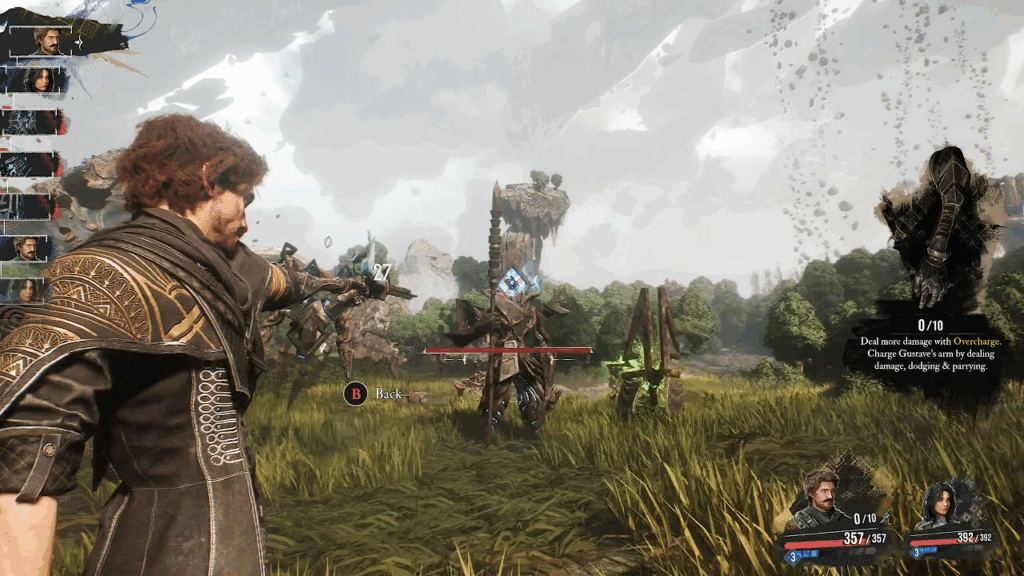
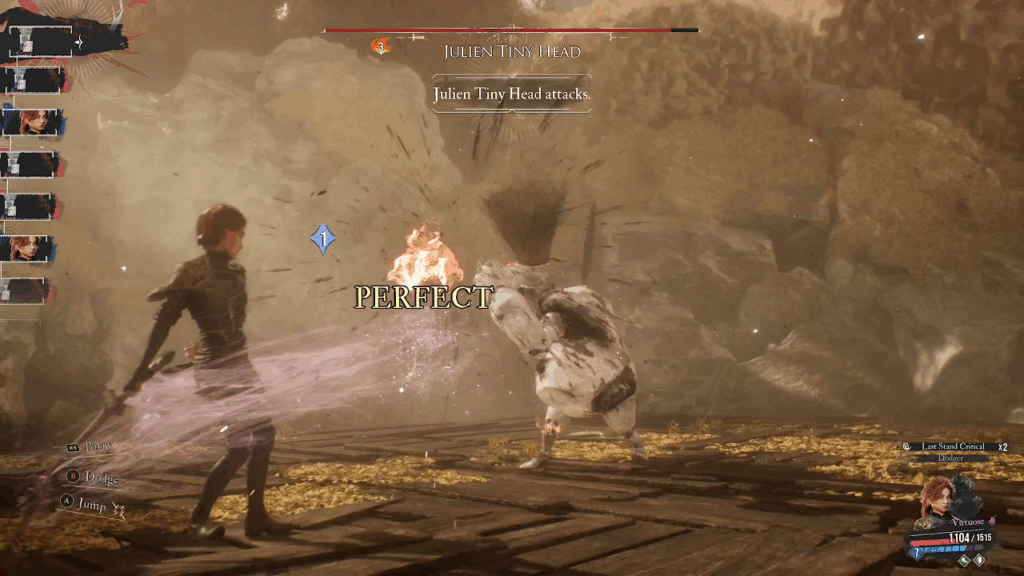
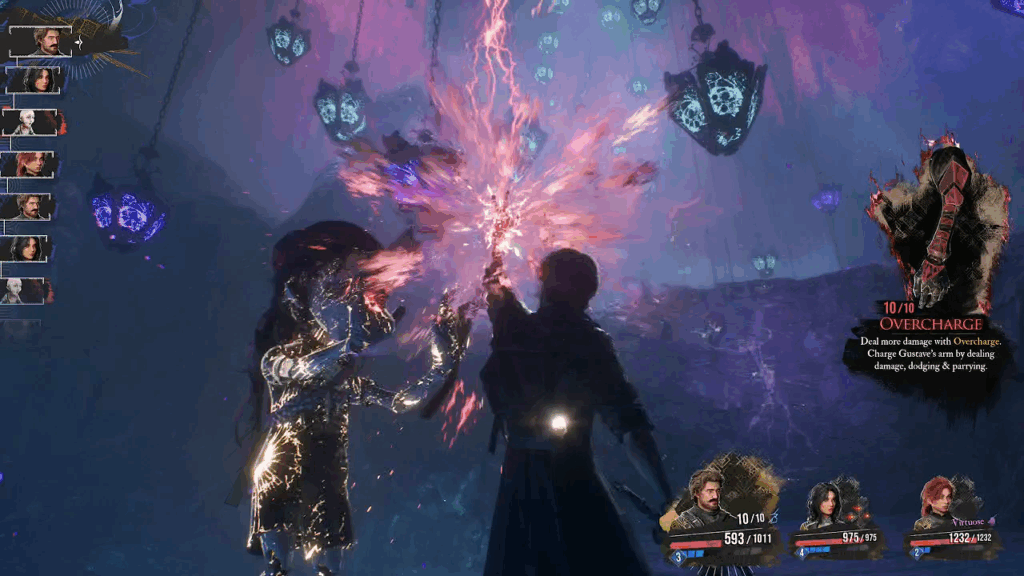
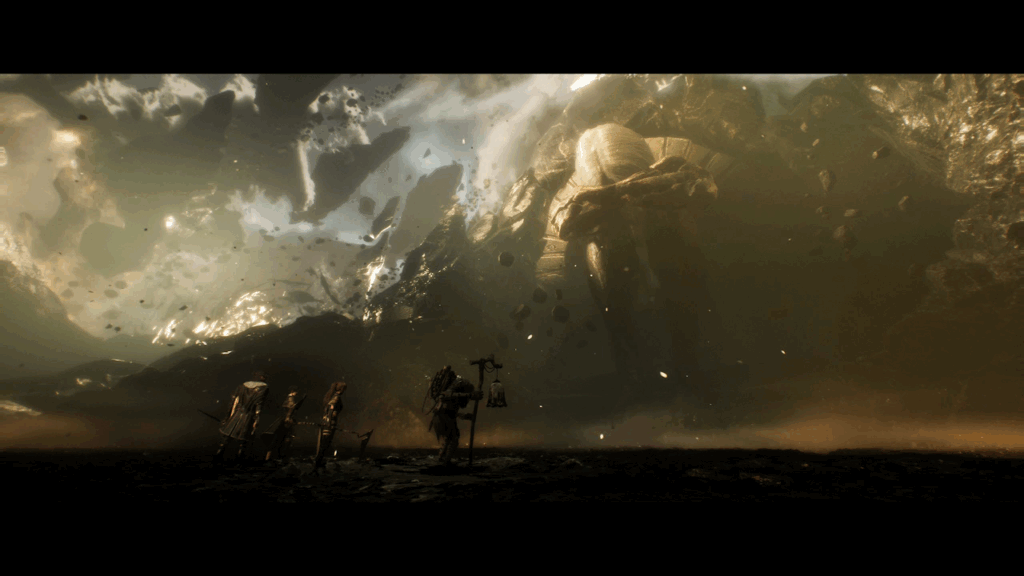
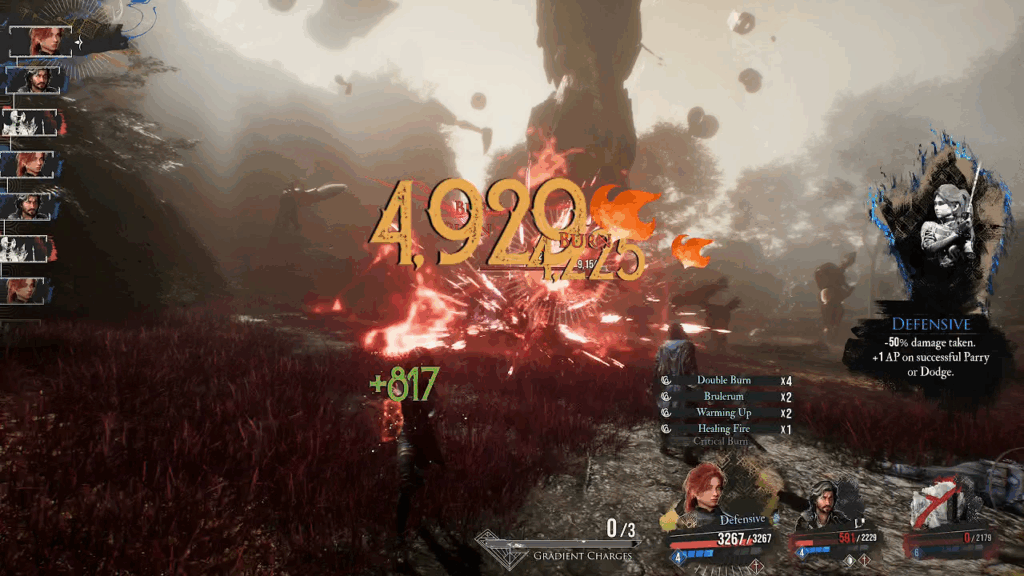
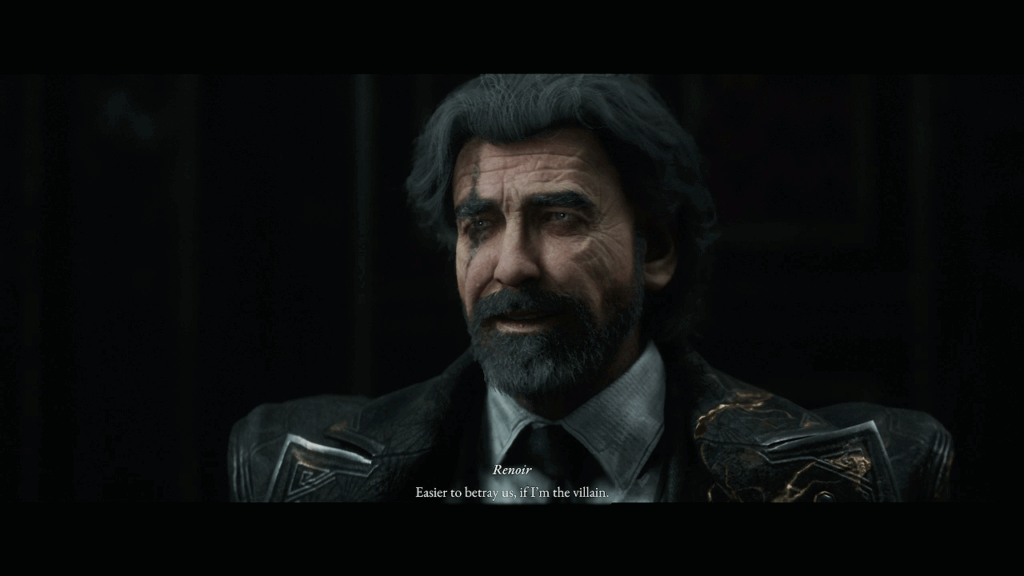
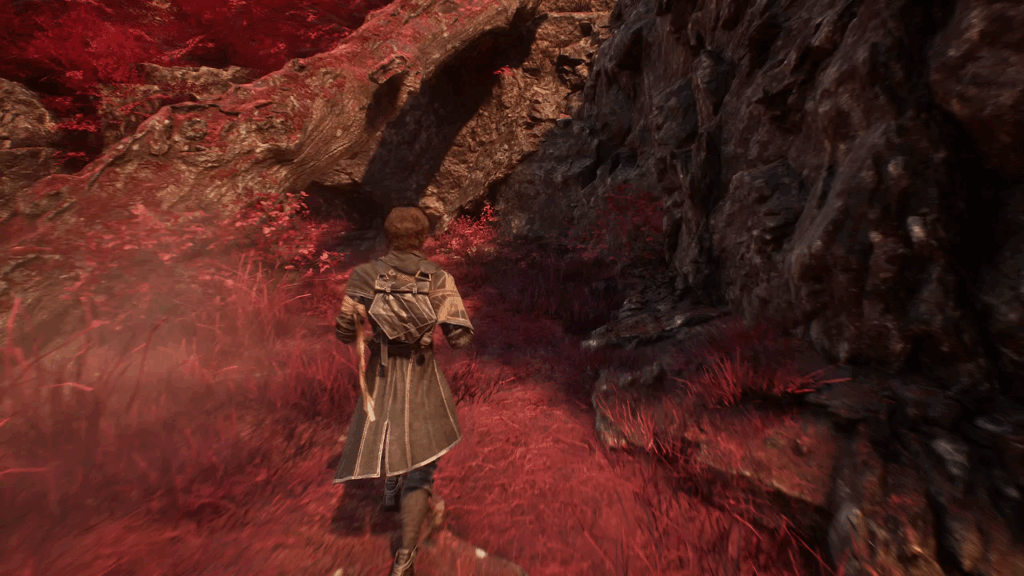
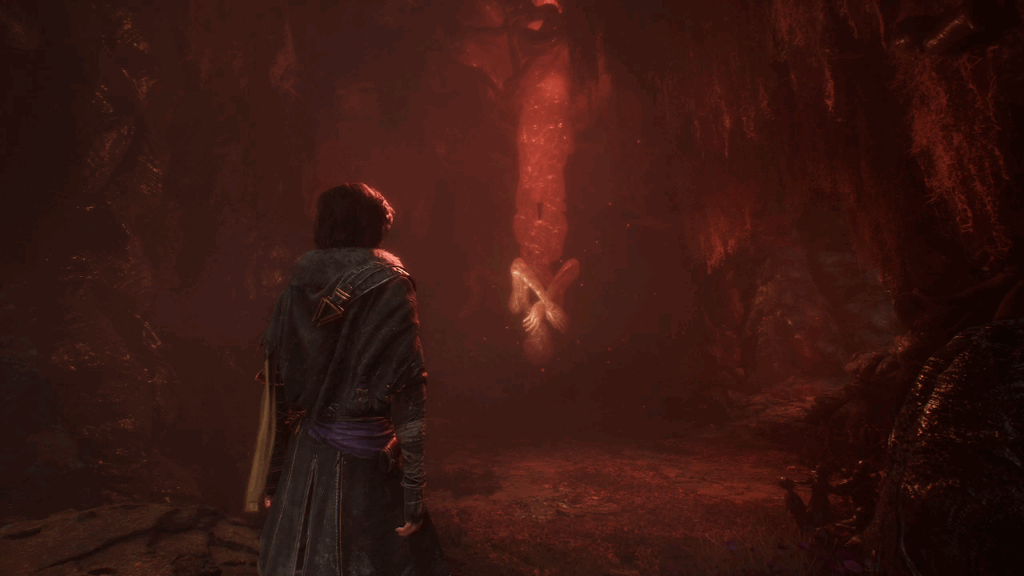
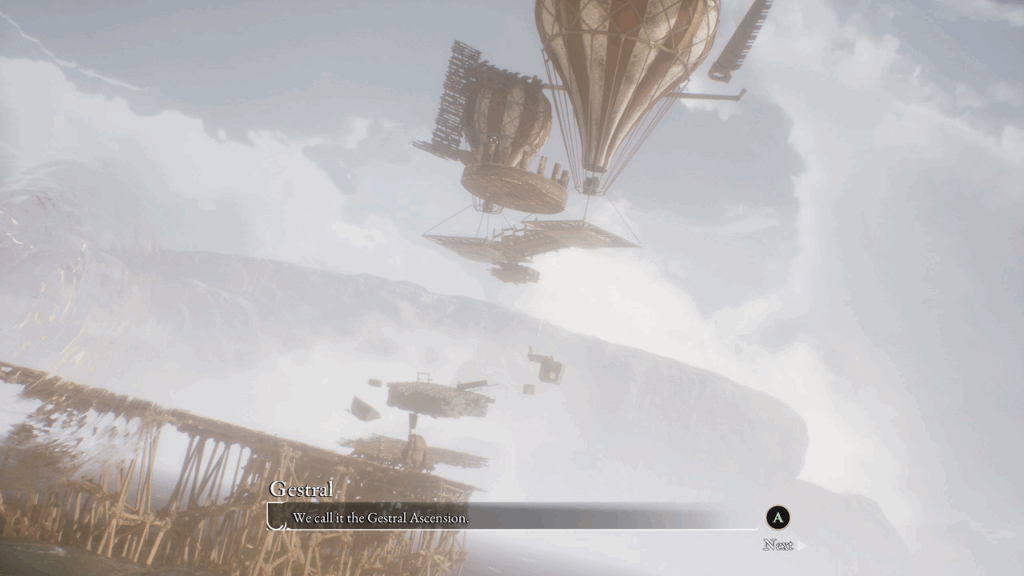
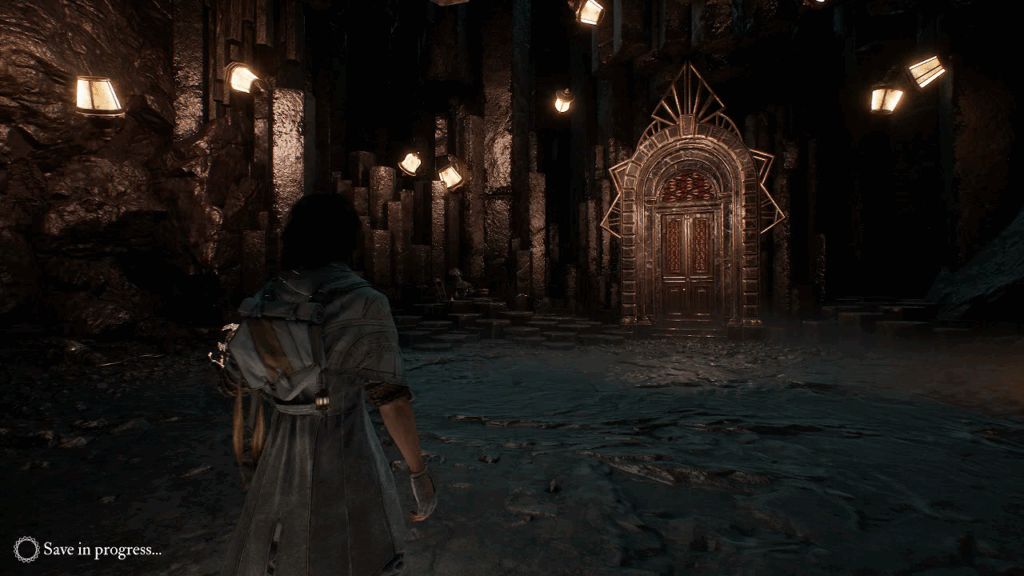
Clair Obscur: Expedition 33 takes place inside a living painting whose denizens are menaced by The Paintress, a giant who appears once a year to reduce a number painted on a mountainside by one. Anyone older than the painted number instantly dies in a process called the Gommage. Every year following the Gommage, the residents of a city named Lumière send out an expedition to stop the Paintress, numbered after the year painted on the mountain. This year’s is Expedition 33. Their first steps outside Lumière’s relative safety are disastrous. Most of the Expedition is wiped out by monsters called Nevrons, led by a gray-haired man who should have Gommaged decades ago. Expedition 33’s four survivors must explore a strange world of artwork brought to life to stop the Paintress’ yearly countdown and save what remains of their decimated home.
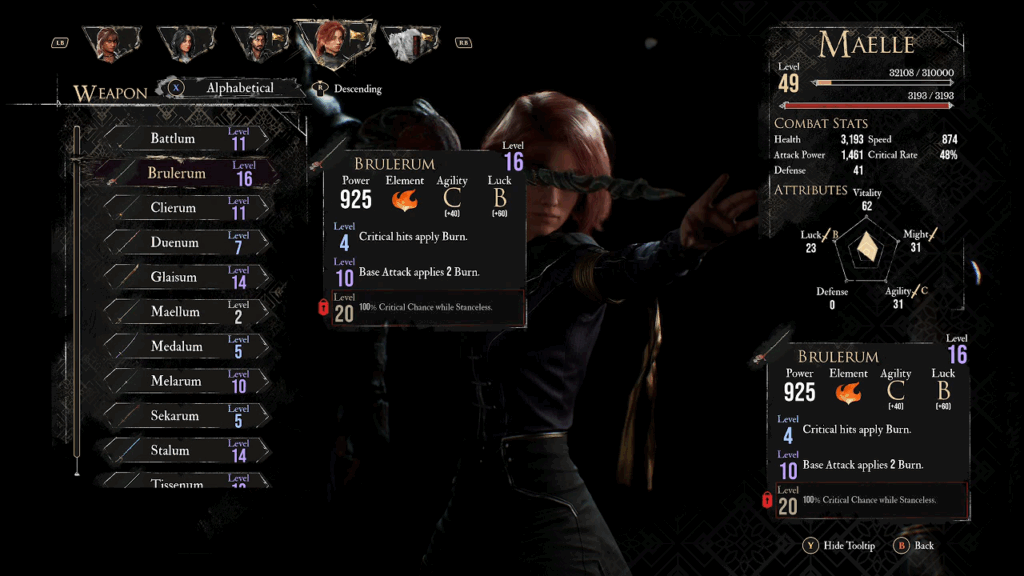
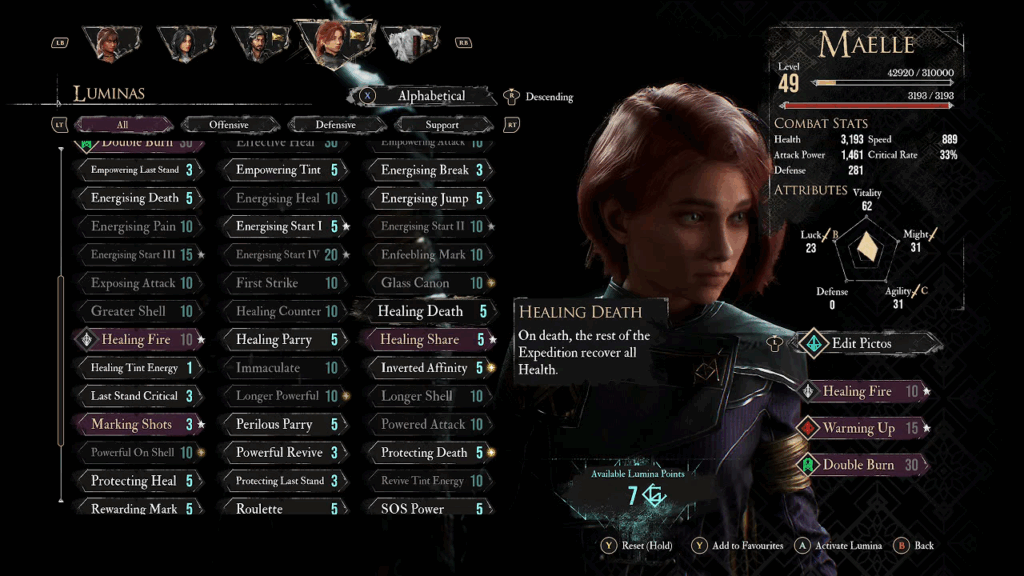
What earns Clair Obscur: Expedition 33’s place on this list is its combat mechanics. They combine concepts from traditional RPG systems with new elements drawn from more recent action-RPGs, particularly those pioneered in FromSoftware’s Dark Souls series, creating an appealing synthesis of old design philosophies meeting new ones. The numerous systems that influence the simple, turn-based combat are many and complicated. Every member of the Expedition has unique combat mechanics that take study, practice, and time to exploit effectively. These unique mechanics may be further enhanced with loadouts incorporating dozens of weapons and accessories. When I’m doing well, Expedition 33 can decimate the Nevrons they encounter on their journey. When I’m doing badly, the party is destroyed with disconcerting ease. These mechanics are fun to exploit, bending and even outright breaking RPG conventions, but never removing the challenge or entertainment from interacting with them. It’s one of the freshest and most enthralling combat systems I’ve played in more than a decade.
Clair Obscur: Expedition 33 is fortunate that it has such a phenomenal combat system because other elements of its design fall far short of excellence. Level design is limited, employing visual tricks that make environments seem larger and more intricate than they are. Lazy shortcuts are liberally exploited to keep Expedition 33 on a linear path. The world outside Lumière seems vast, but it’s only the areas that lie on the direct path between Lumière and The Paintress which are fully designed. Dozens of side areas suggest a massive world but nearly all are tiny spaces supporting a single collectable item. Exploring the painted world constantly disappoints. Equally disappointing is the fractured narrative. Clair Obscur: Expedition 33 takes a while to decide what its story is about, and by the time it makes its choice, its heroes have been sidelined into side characters in their own conflict. It frustrates me at every turn.
Read my full Clair Obscur: Expedition 33 review here.

Pipistrello and the Cursed Yoyo
Developer: Pocket Trap
Publisher: PM Studios
Playable On: Nintendo Switch, Sony PlayStation 4, Sony PlayStation 5, Xbox Series X/S, PC
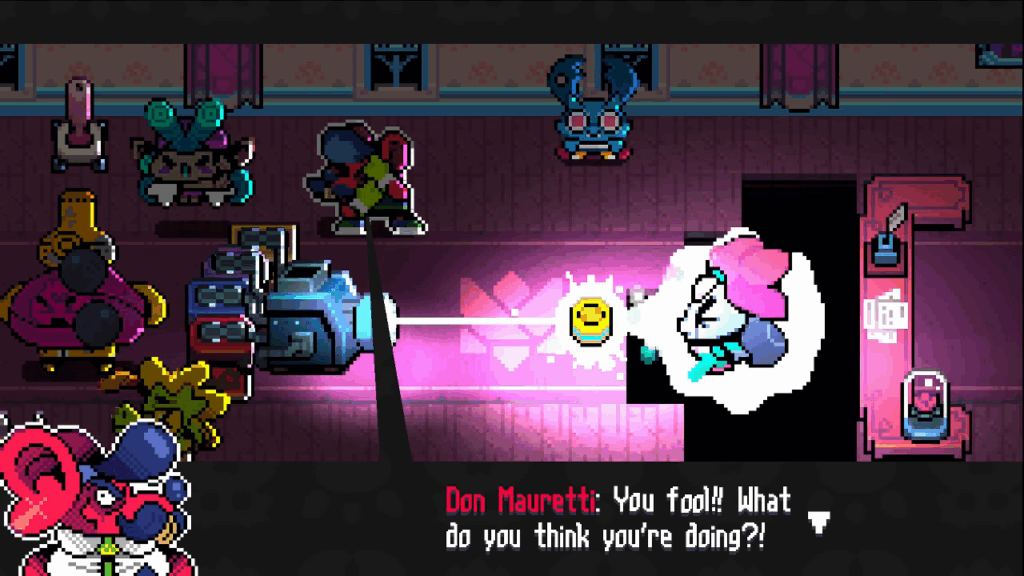
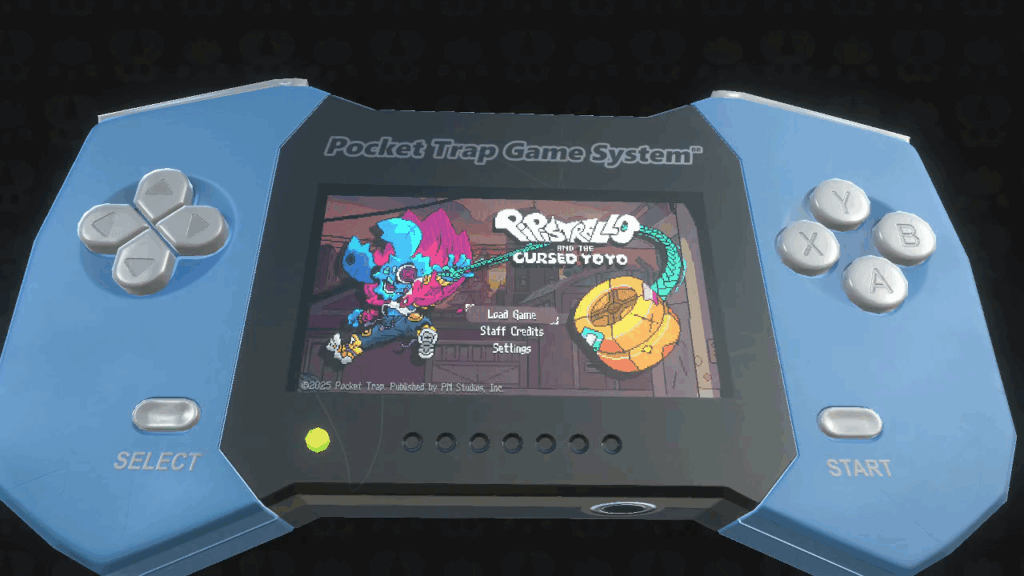
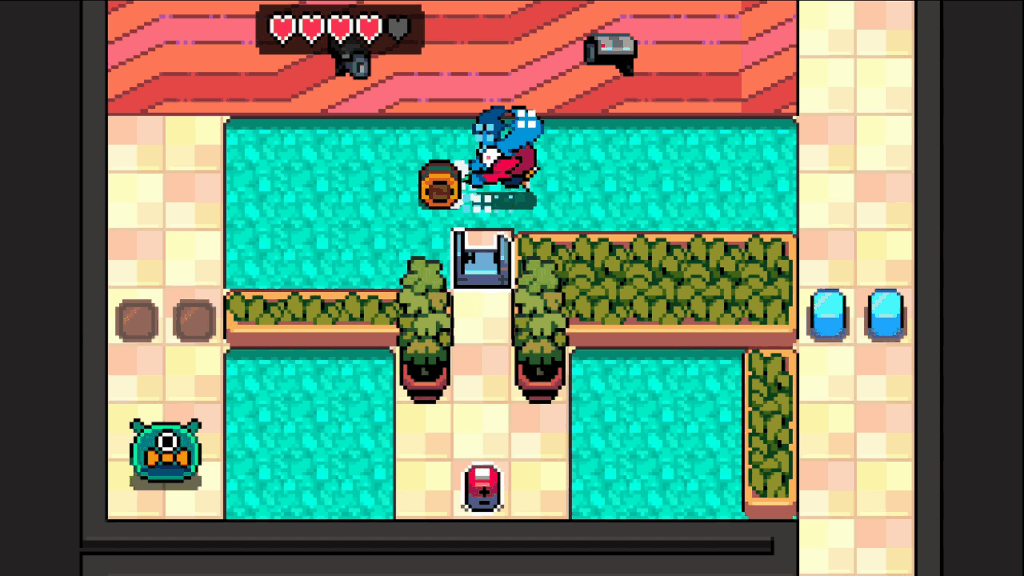
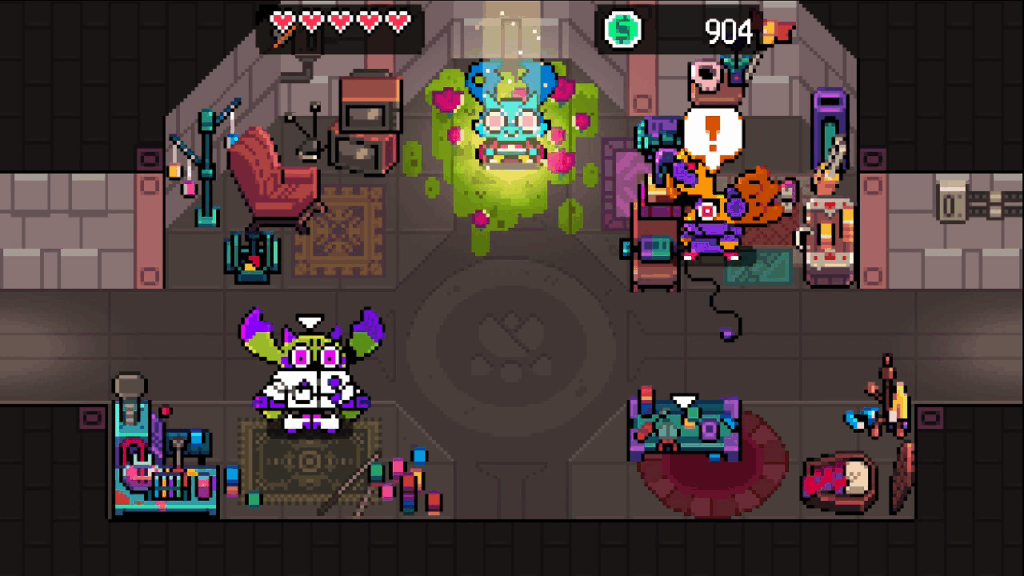
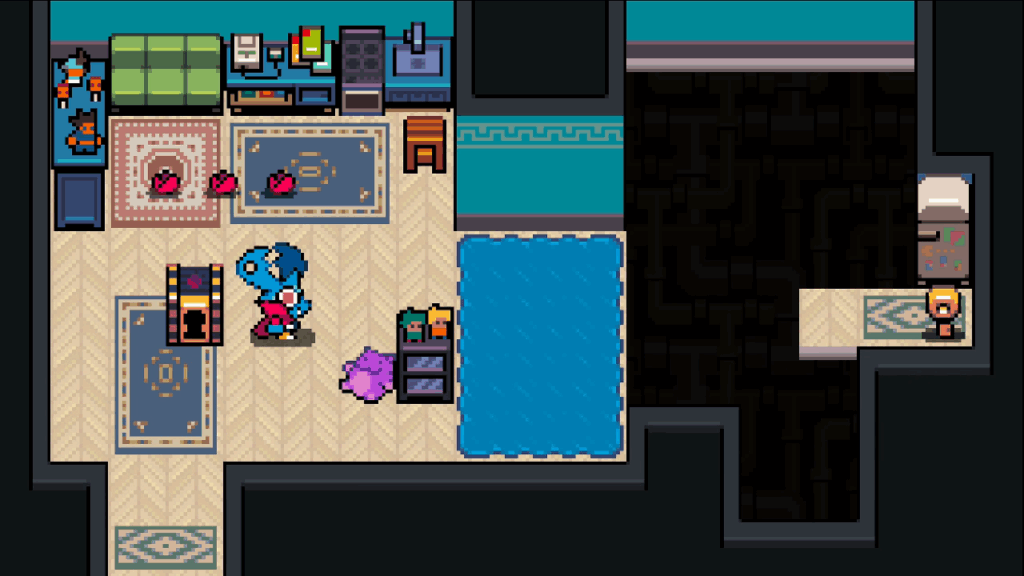
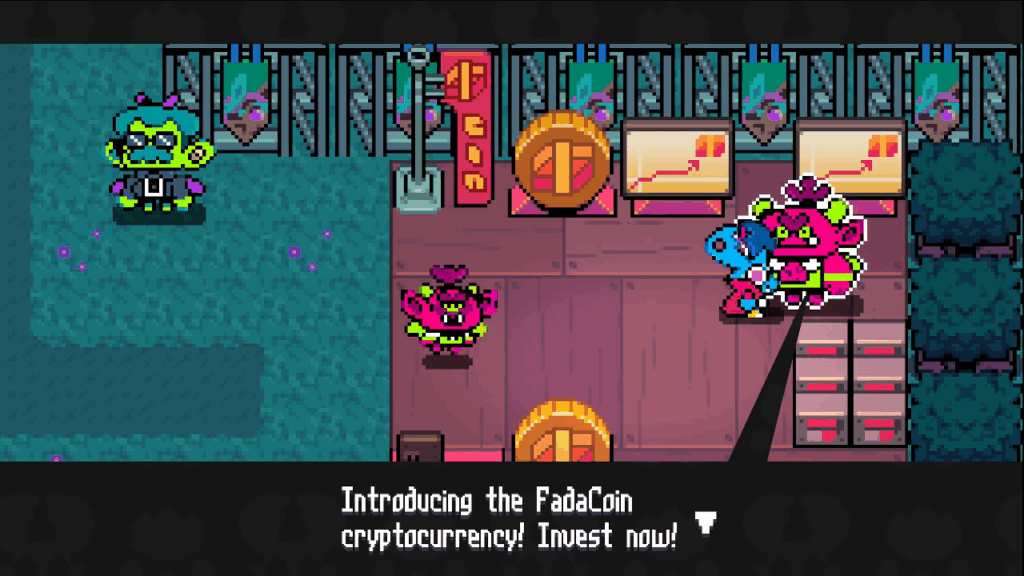
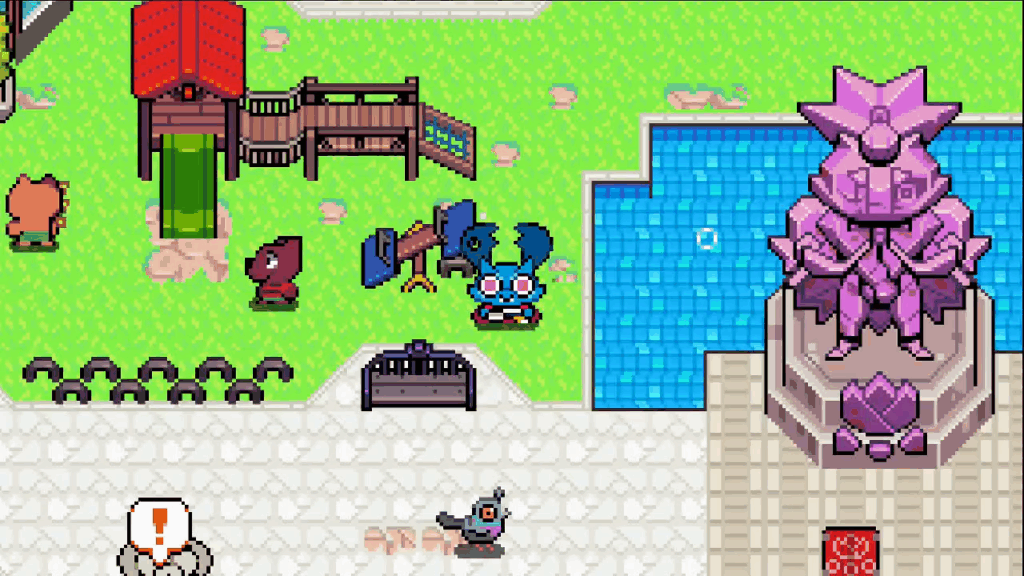
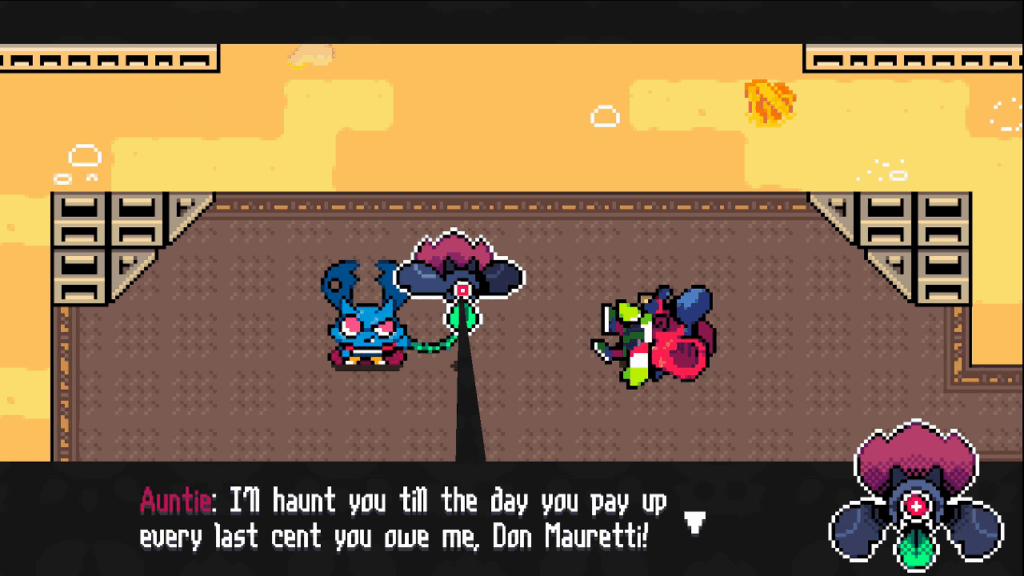
Pipistrello and the Cursed Yoyo is a top-down action-adventure videogame that places itself in the very specific design era of the Game Boy Advance. The entire game is “played” on a fictional handheld device, the Pocket Trap Game System. Multiple filters lend the image the verisimilitude of a turn-of-the-century portable videogame system. I play as Pippit, a young member of the influential Pipistrello dynasty, who returns to the family estate just in time to witness his aunt, the formidable Madame Pipistrello, be attacked by her business rivals, who try to drain her soul into four Megabatteries. Pippit’s intervention accidentally imbues his yoyo with a portion of Madame Pipistrello’s soul. Guided by his domineering aunt’s voice emanating from the now-magically empowered yoyo, Pippit explores New Jolt City to find the remaining fragments of her soul and reunite them as one.
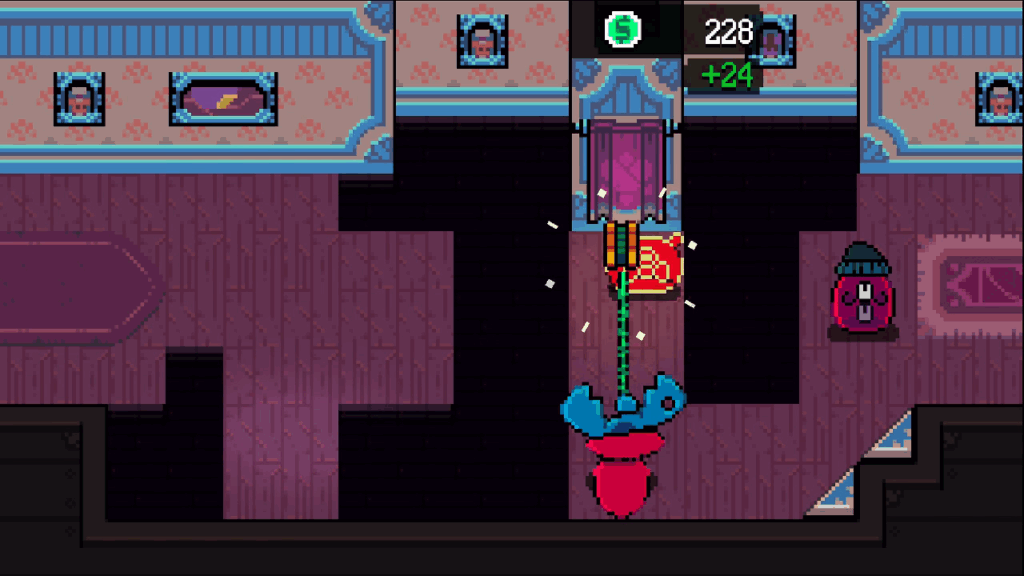
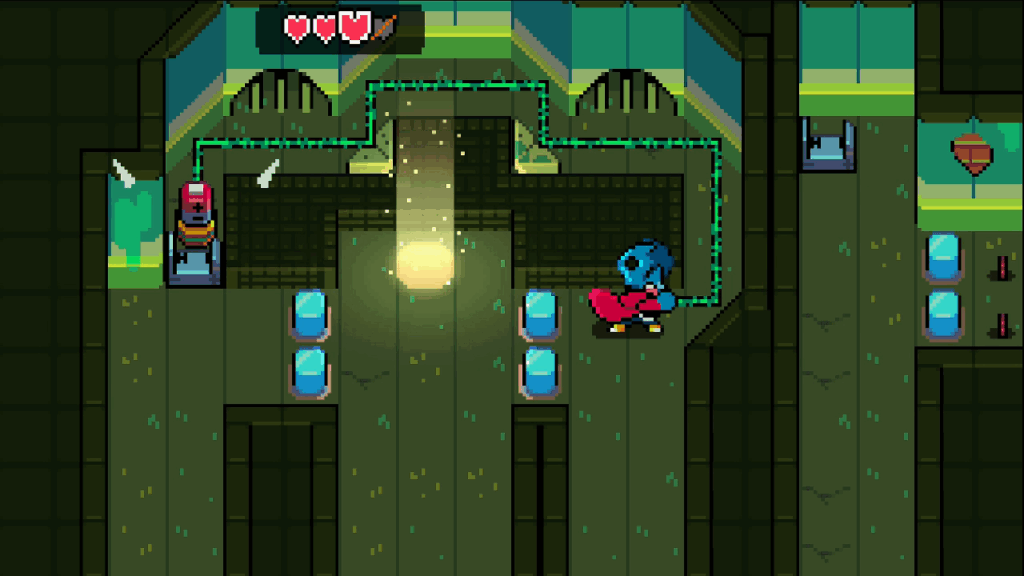
What really makes Pipistrello and the Cursed Yoyo incredible to play is the imagination and creativity put into how Pippit uses his yoyo to interact with the environment. It begins as a typical videogame weapon, wielded as a flail Pippit may fling at his opponents. It can even be used as a whip to retrieve distant items. As he explores New Jolt City, he learns new yoyo “tricks” that open up new areas of the map. Rebounding the yoyo off angled walls lets Pippit activate distant, unreachable switches. Walking the Dog turns the yoyo into a vehicle that can cover distances at high speed, and even carry Pippit across water, lava, and other hazardous terrain. UFO turns the yoyo into a temporary floating drone Pippit may use as a grappling hook target with the now-freed string. There are many tricks to discover and by the end of his adventure, Pippit must exploit all of them in long and complex strings like a champion yo-yoer showing off at a competition. It’s top-notch top-down platforming design.
Of all the videogames I included on this list, this is the one I am most excited for people to discover. Three of these videogames received lots of praise and attention this year—perhaps more than they deserved. One is a sequel to an early, cult indie success; I expected it to be good, even if I was unsure it would receive widespread success. Pipistrello and the Cursed Yoyo is the one title on this list I hope people might play because they may not have heard about it before. It’s a great videogame, and it deserves its place on this list alongside the rest of 2025’s familiar heavyweights.
Read my full Pipistrello and the Cursed Yoyo review here.
Hades II
Developer: Supergiant Games
Publisher: Supergiant Games
Playable On: Nintendo Switch, Nintendo Switch 2, PC
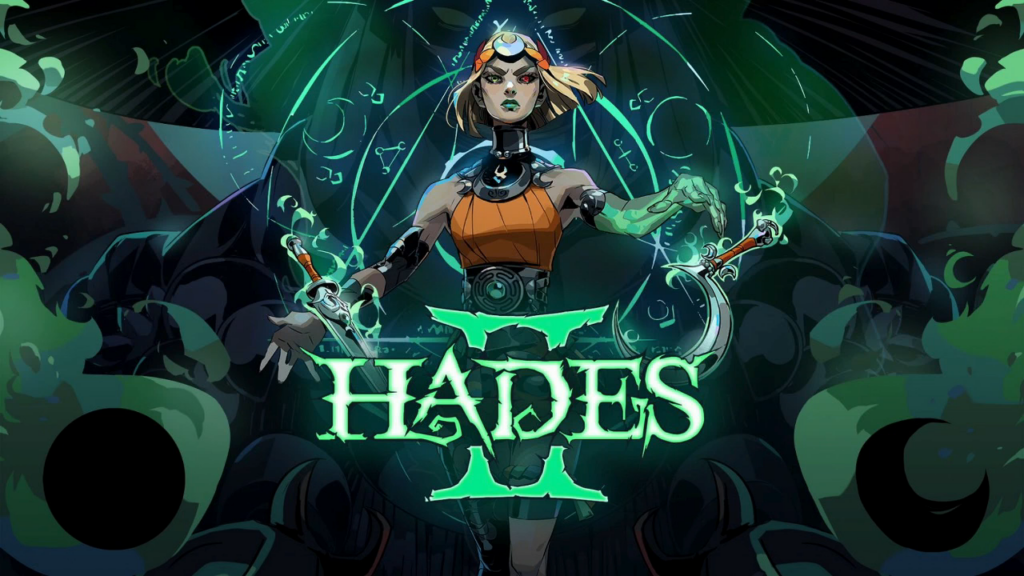
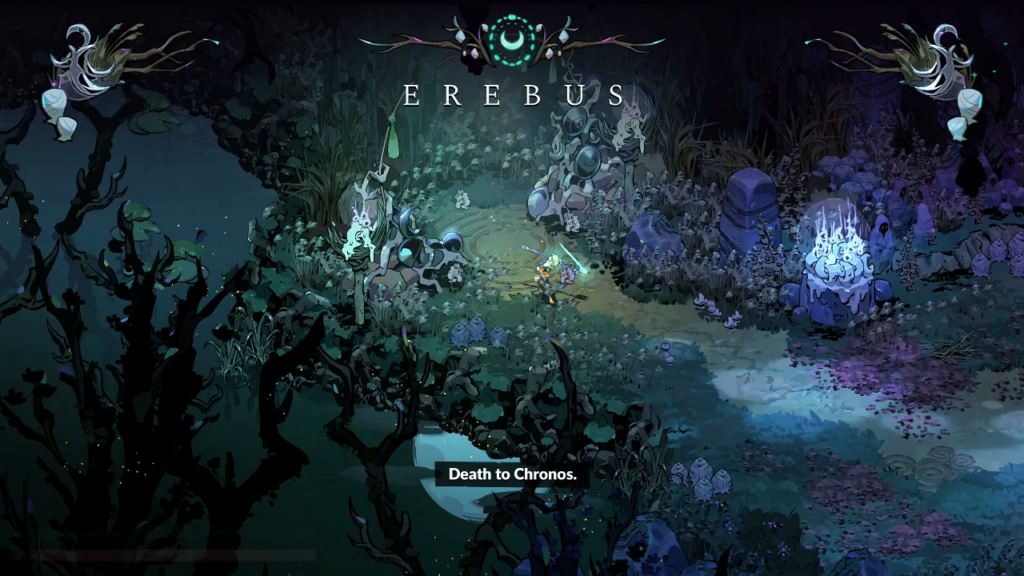
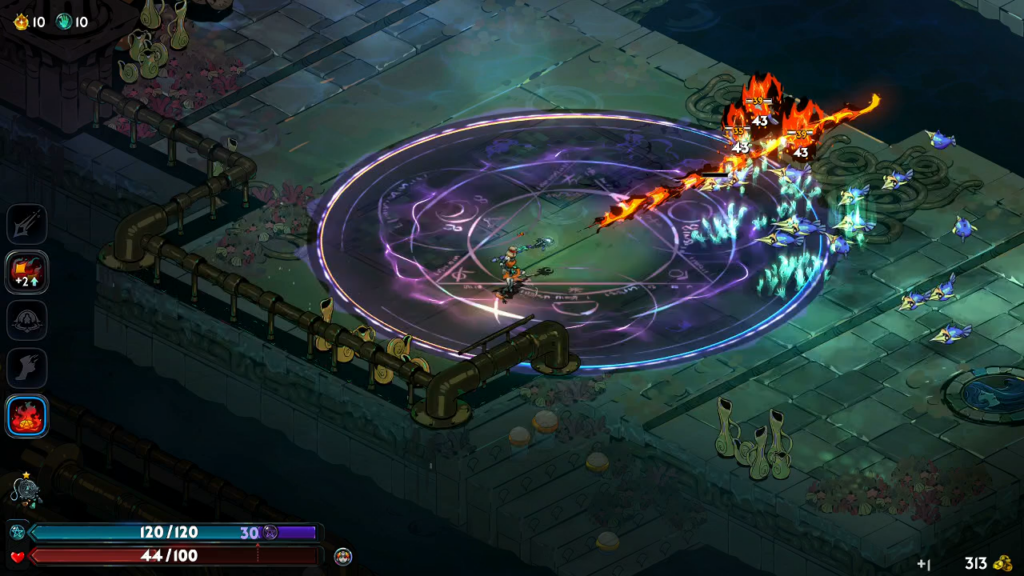
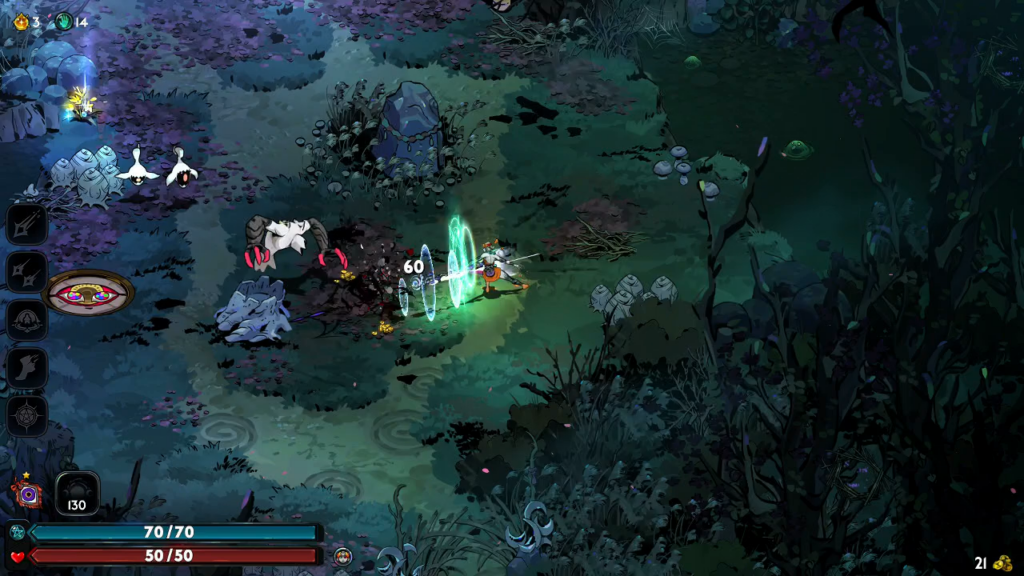
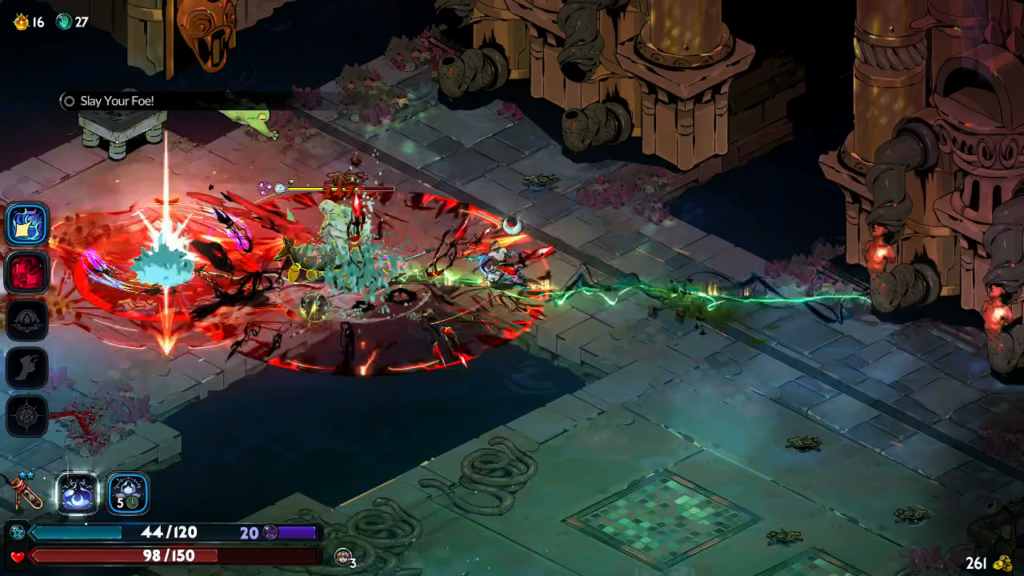
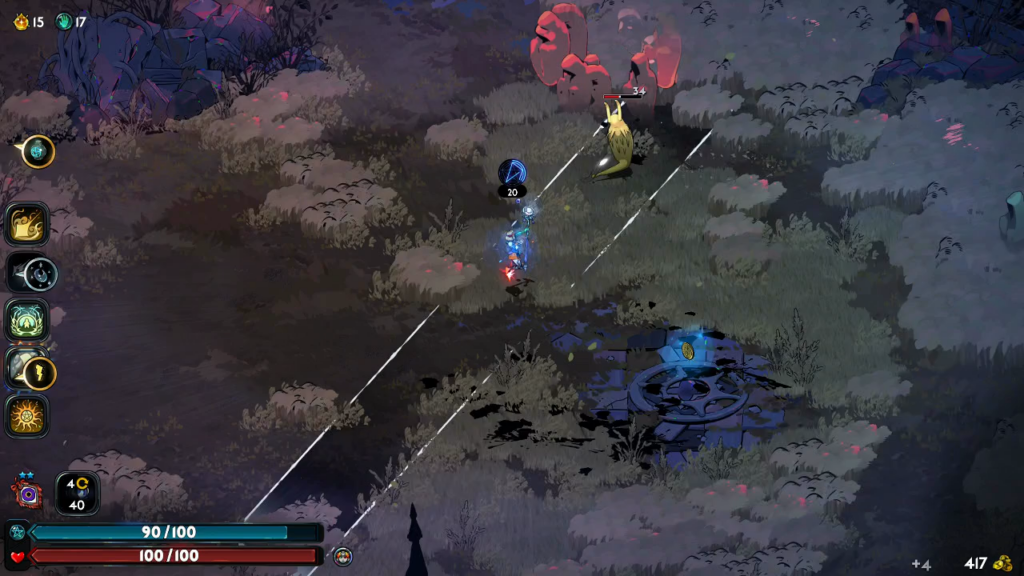
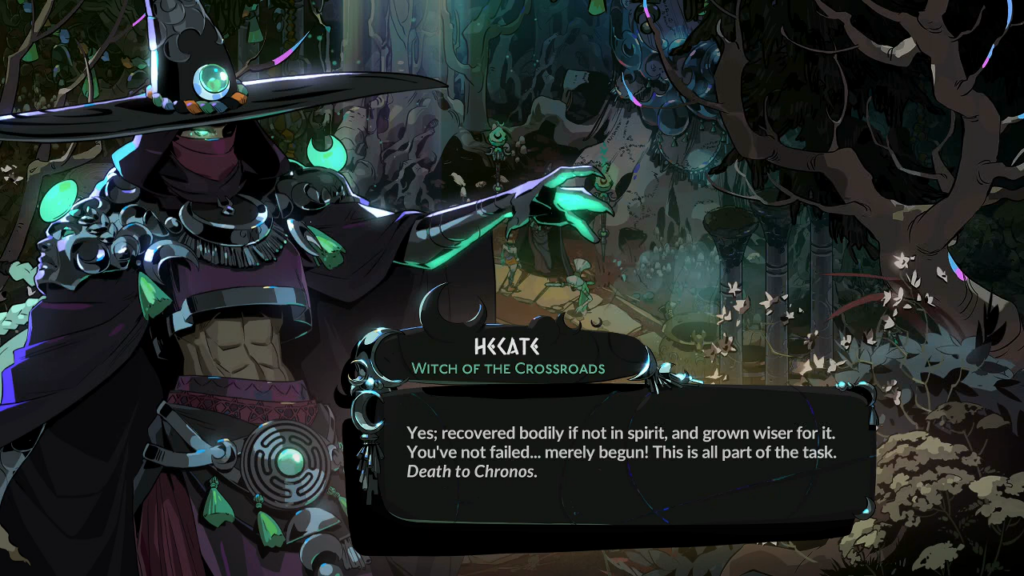
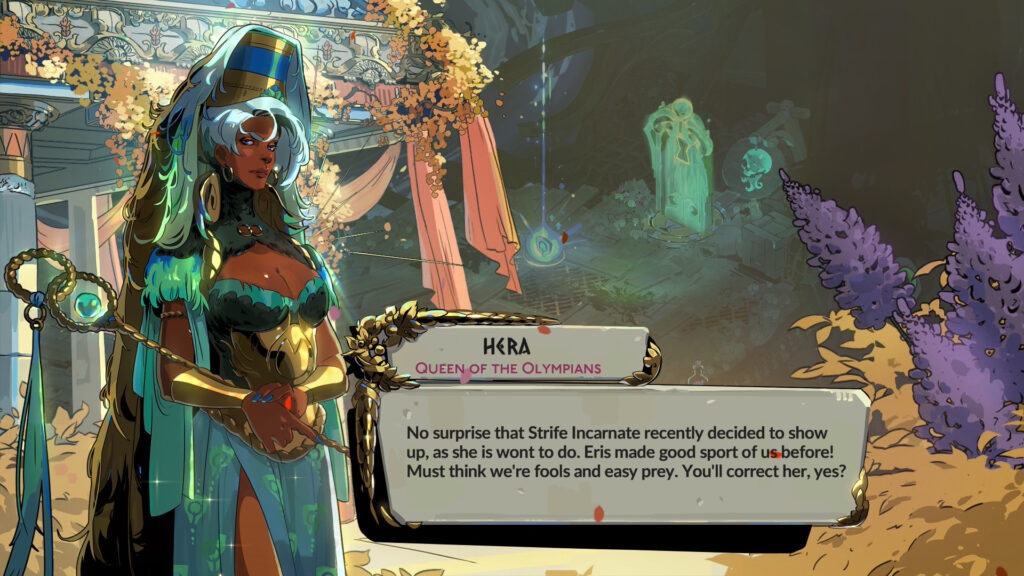
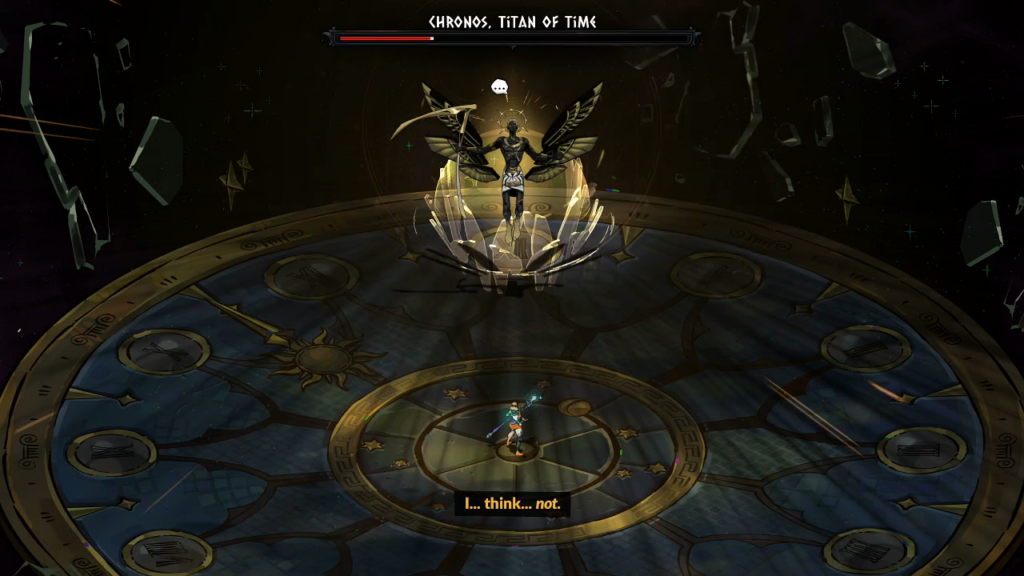
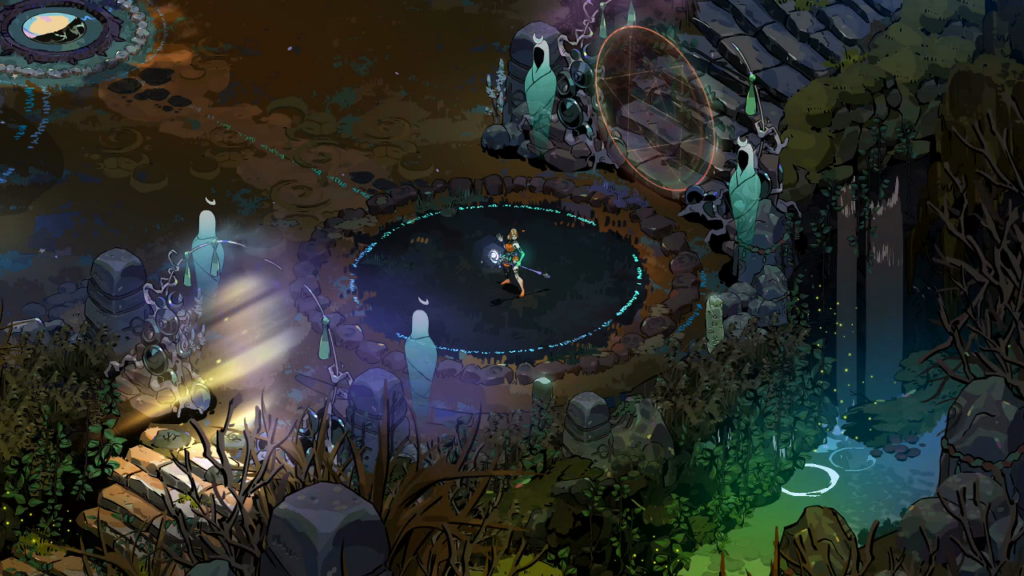
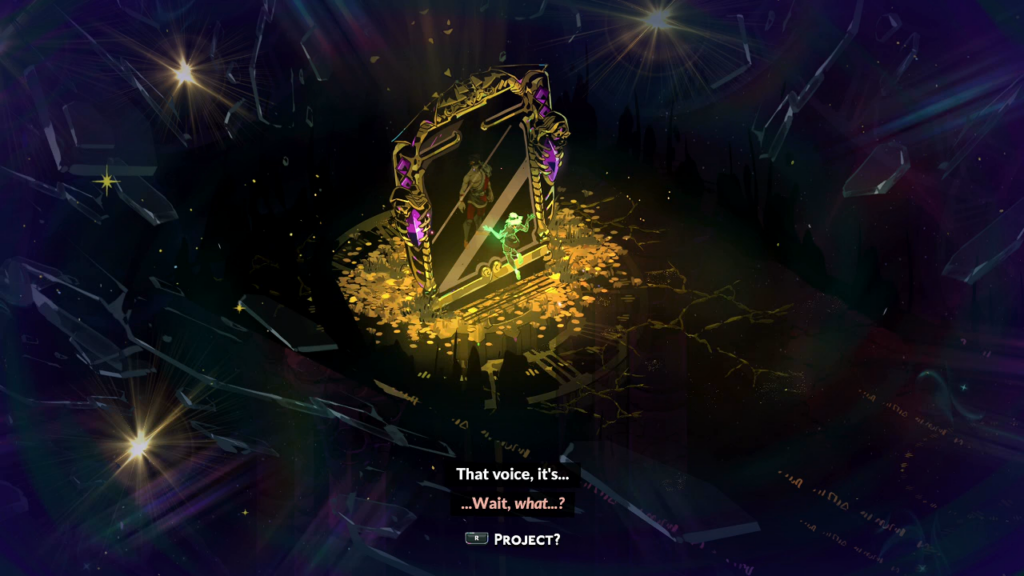
The comfortable status quo established in the original Hades has long been overturned by the time of this sequel. Chronos, the Titan of Time, who had been cast into an abyss by his children long before Zagreus’ trials in the first videogame, was resurrected. Overthrowing his son, the God of the Dead, Chronos recreated the underworld in his own clockwork image while besieging the remainder of his children in their sanctuary on Mount Olympus. Hope survives in the form of Melinoë, Hades’ daughter, who was smuggled away as an infant by the witch Hecate and secretly raised in an unmappable forest. Now of age and with her entire lifetime spent training as an assassin, Melinoë embarks on nightly raids into the underworld with a single mission: Find and kill Chronos.
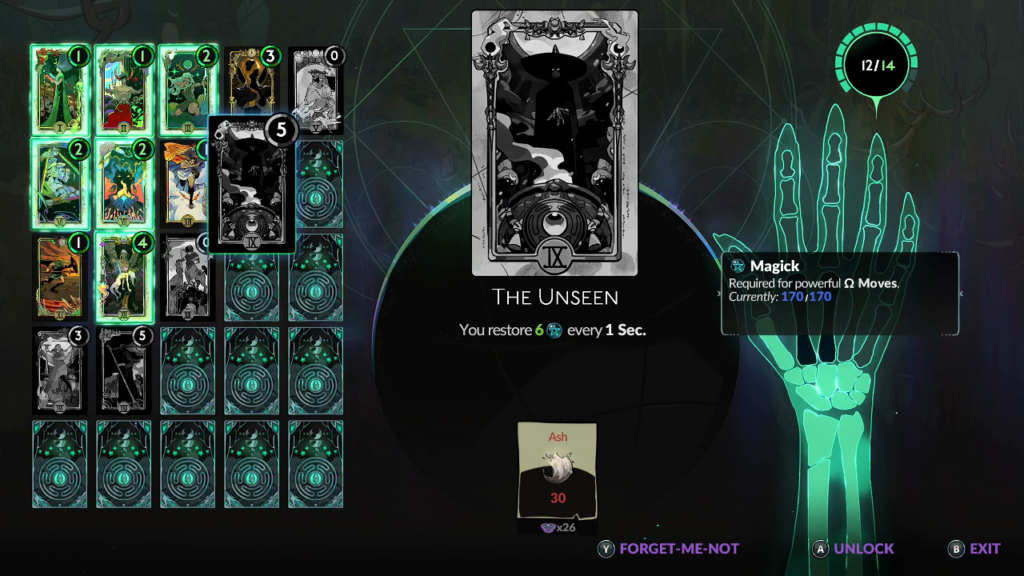
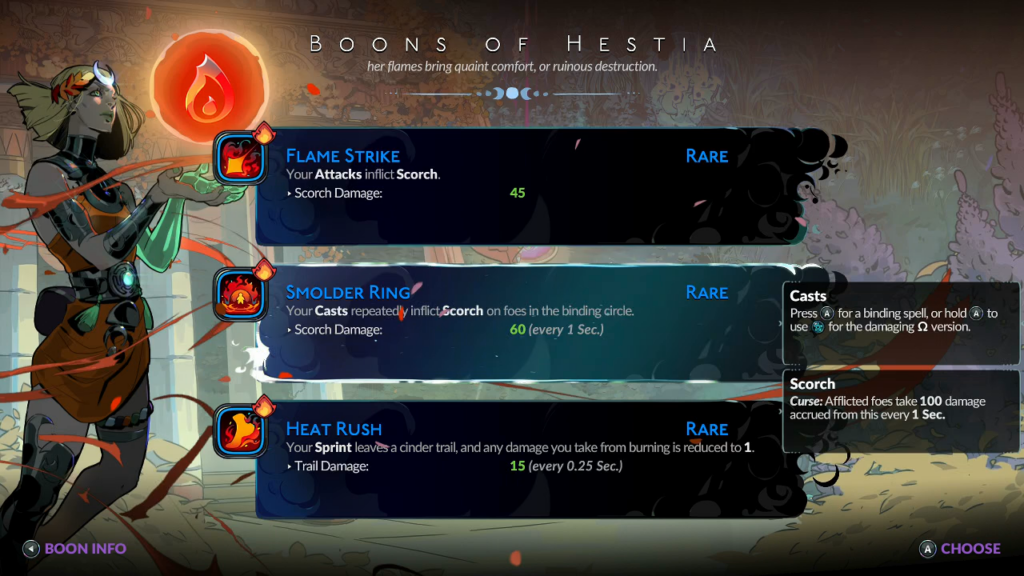
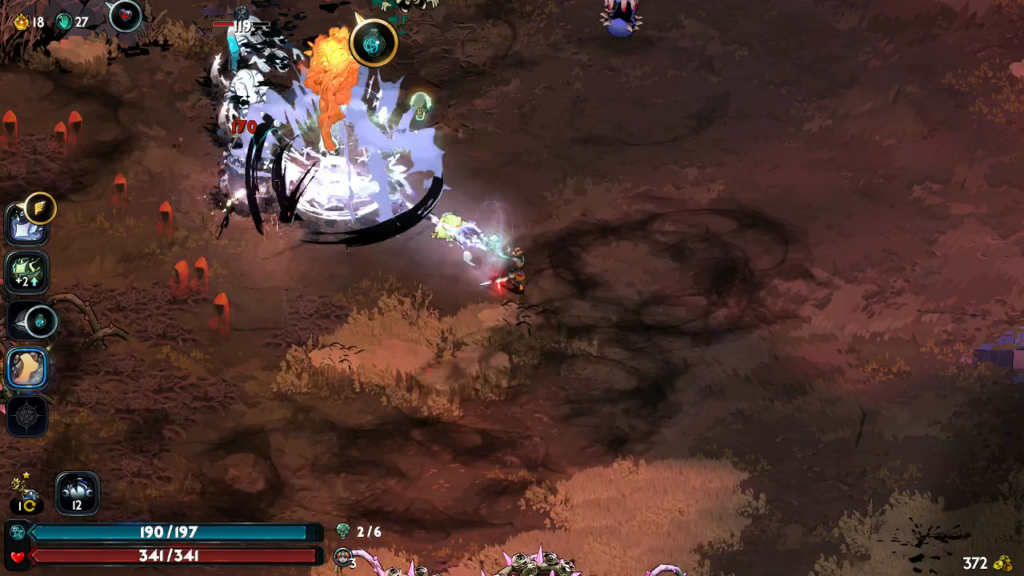
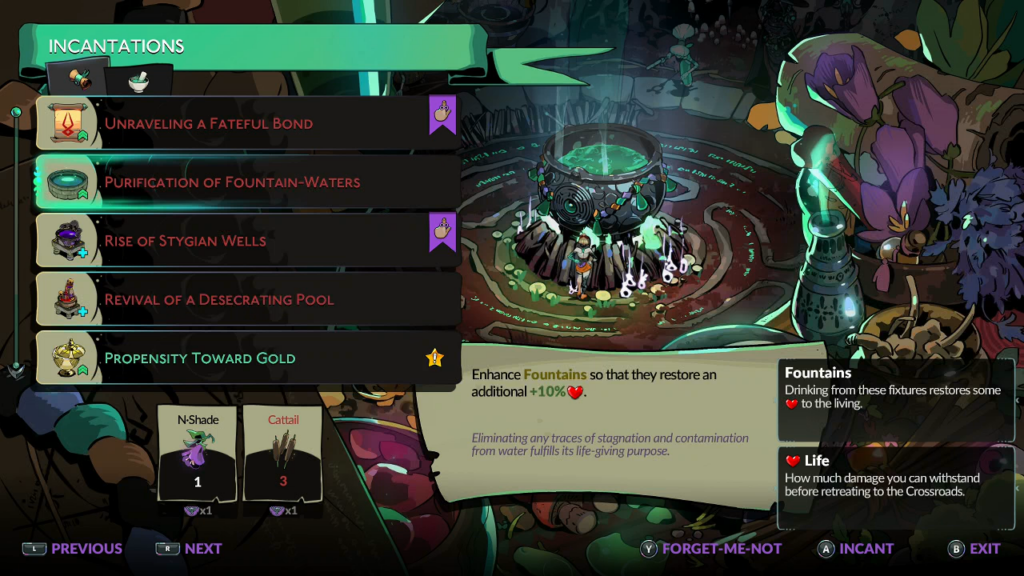
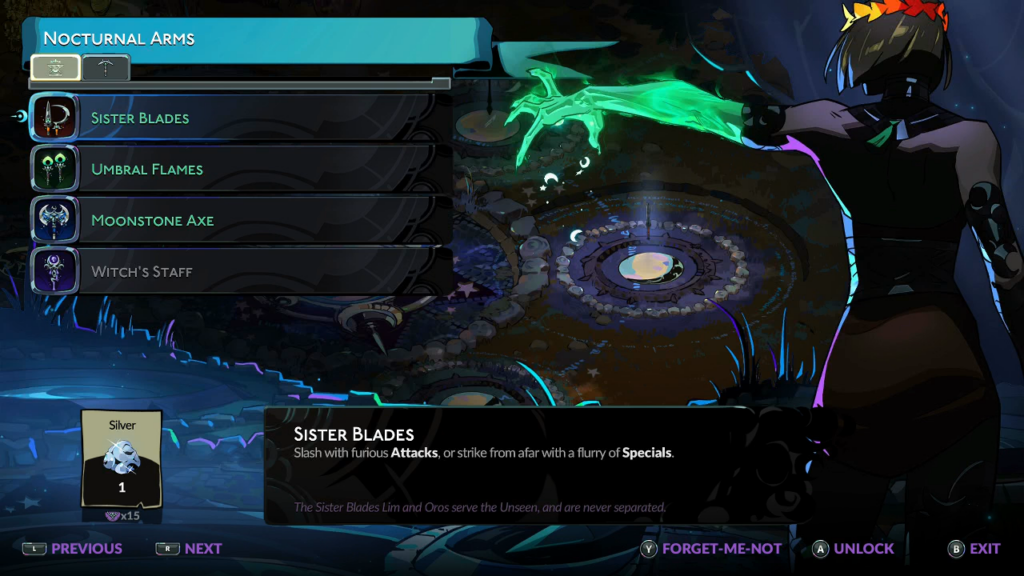
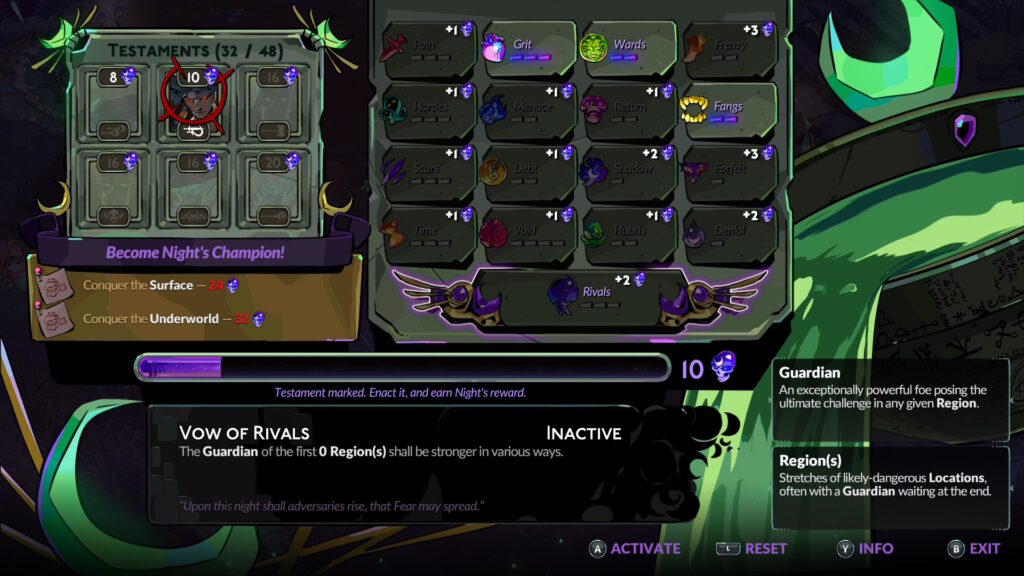
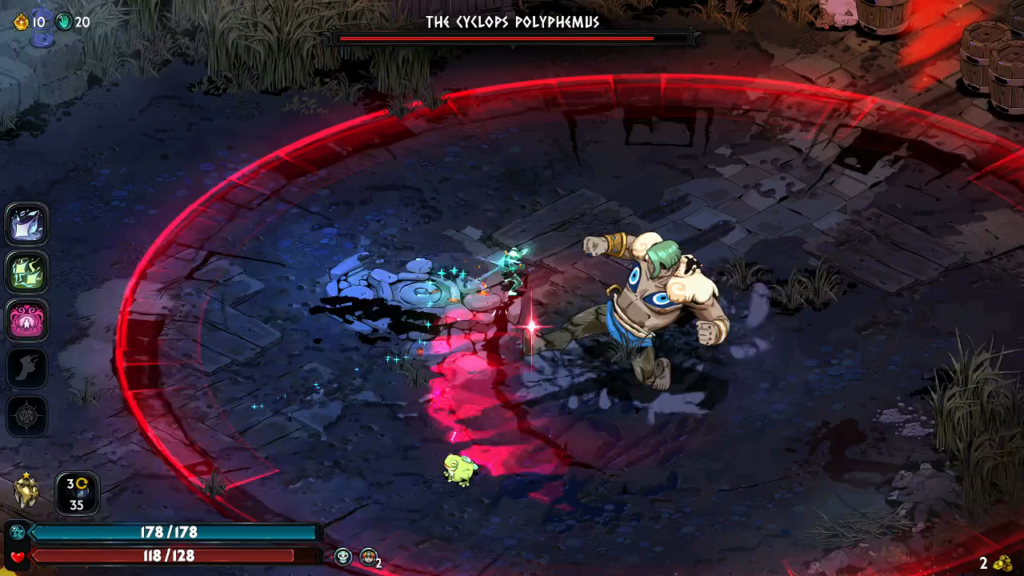
On a surface level, Hades II isn’t too different from the first Hades. Melinoë’s quest to infiltrate the underworld is not all that different from Zagreus’ quest to escape it. Hades II builds on its predecessor by taking its basic concepts and making them more complex. Melinoë mimics Zagreus’ basic skillset and builds on it with Omega moves, charged versions of the basic Fast, Strong, and Cast attacks that have greater effects but require magick and time to cast; Omega moves are riskier and costlier, but the effect is often worth it. Pickups are also more complicated. Zagreus collected seven different resources on his quest; Melinoë amasses dozens of unique resources to upgrade her abilities and gift to her friends. Melinoë’s weapons are more unusual and difficult to wield than Zagreus’, the familiars she brings on her raids have more utility and abilities, and the number of Olympian and Chthonic Gods whose Boons she accepts is greater. And just when I feel like I’ve got a handle on Melinoë’s struggle against Chronos, Hades II throws its biggest curveball: An entire second quest through new areas protected by new bosses. It’s only a little hyperbolic to say that Hades II also contains Hades III.
In my published review, I criticized the first Hades for being too mechanically and structurally simple, stifling its ability to surprise with new things to see and do long before I reach its second ending. I have since come to have a greater respect for that simplicity and view it as one of Hades’ strengths. A videogame does not need to constantly introduce new ideas and content when its basic content is fine-tuned to such a level. Hades II feels like a response to that initial criticism. Its constant refrain is “more, more, more.” Hades will always be the videogame that I recommend players start with, but if they still want more after finishing it—and I believe nearly every player will—then Hades II is a real treat waiting for them in the future.
Read my full Hades II review here.